


What should you eat during hypoglycemia to relieve it quickly?
Mar 06, 2025
Source: Cainiu Health

Dr. Liu Feng
Introduction
In general, consuming sugar tablets, candies, honey, sugar water, sugary beverages or fruit juices, or foods high in carbohydrates can quickly relieve hypoglycemia. Additionally, taking medications such as furosemide tablets, acarbose tablets, glibenclamide tablets, dexamethasone acetate tablets, or rosiglitazone hydrochloride capsules can also help alleviate symptoms. However, these medications should be used under the guidance of a physician.
Generally, hypoglycemia can be quickly relieved by consuming foods such as sugar cubes, candies, honey, sugar water, sugary beverages or fruit juices, and high-carbohydrate foods. Taking medications such as Furosemide Tablets, Acarbose Tablets, Glibenclamide Tablets, Dexamethasone Acetate Tablets, or Rosiglitazone Hydrochloride Capsules can also help alleviate symptoms, although medications should be used under a doctor's guidance. Detailed explanations are as follows:
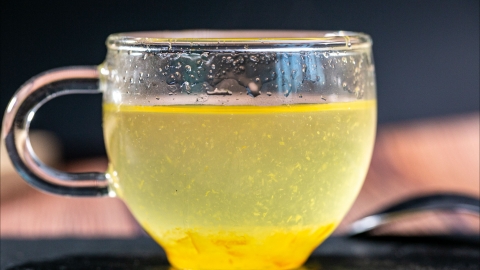
I. Foods
1. Sugar cubes or candies
This is the most direct way to replenish the body's deficient sugar levels and can rapidly elevate blood glucose. Patients who frequently experience hypoglycemic symptoms are advised to carry a few candies for emergencies.
2. Honey
Honey is rich in glucose and fructose, which can be quickly absorbed by the body, effectively alleviating symptoms of hypoglycemia.
3. Sugar water
If symptoms are mild, a glass of sugar water can be consumed. If symptoms are severe, sugar can also be taken orally quickly to replenish glucose.
4. Sugary beverages or fruit juices
Sugary beverages or fruit juices usually contain high amounts of sugar, such as orange juice or mango juice, which help rapidly increase blood glucose levels.
5. High-carbohydrate foods
Foods rich in carbohydrates, such as bread, steamed buns, and biscuits, can be converted into glucose in the body, providing energy to the body and relieving symptoms of hypoglycemia.
II. Medications
1. Furosemide Tablets
Furosemide Tablets can increase the excretion of potassium ions and other electrolytes through their diuretic effect, thereby indirectly affecting insulin secretion and action, reducing cellular uptake and utilization of glucose, thus increasing blood glucose levels.
2. Acarbose Tablets
Acarbose Tablets may be used in special cases such as hypoglycemia accompanied by hyperinsulinemia. This medication delays the absorption of glucose in the small intestine and can, to some extent, prevent further decline in blood glucose, helping maintain relatively stable blood glucose levels.
3. Glibenclamide Tablets
For patients with functional hypoglycemia, low-dose glibenclamide can regulate insulin secretion, maintaining blood glucose at a relatively stable level and reducing the frequency and severity of hypoglycemic episodes.
4. Dexamethasone Acetate Tablets
Dexamethasone Acetate Tablets belong to the glucocorticoid class of medications and can help relieve hypoglycemia. Glucocorticoids promote glycogenolysis and gluconeogenesis, reduce glucose utilization by body tissues, and antagonize insulin action, thereby increasing blood glucose levels.
5. Rosiglitazone Hydrochloride Capsules
If hypoglycemia is accompanied by insulin resistance, rosiglitazone can enhance the body's sensitivity to insulin, reducing blood glucose fluctuations caused by insulin resistance and helping stabilize blood glucose levels, thereby alleviating hypoglycemic symptoms to some extent.
It is recommended that patients follow their doctor's instructions in daily life, use medications appropriately, regularly monitor blood glucose levels, and maintain regular eating and exercise habits to prevent recurrence of hypoglycemia.








