


What Are the Symptoms of Menopausal Anxiety Disorder?
Jun 01, 2021
Source: Cainiu Health

Dr. Zhang Lu
Introduction
In general, symptoms of perimenopausal anxiety may include emotional symptoms, somatic symptoms, sleep disturbances, cognitive and attentional impairments, and behavioral symptoms. If you experience any discomfort, consult a healthcare professional promptly and follow their guidance for treatment. Patients should also maintain healthy lifestyle habits—such as balanced nutrition, moderate physical activity, and regular sleep patterns—and proactively adapt to the physiological and psychological changes associated with perimenopause.
Generally, symptoms of perimenopausal anxiety disorder may include emotional symptoms, somatic symptoms, sleep disturbances, cognitive and attentional impairments, and behavioral symptoms. If you experience any discomfort, it is advisable to seek medical attention promptly and undergo treatment under the guidance of a healthcare professional. A detailed analysis follows:
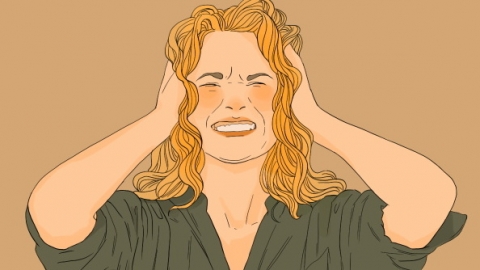
1. Emotional Symptoms
Patients often experience unexplained tension, fear, and unease, accompanied by excessive worry about numerous matters. This anxiety may be intense and persistent, difficult to alleviate through self-regulation, and significantly impair daily functioning and work performance.
2. Somatic Symptoms
Patients may exhibit vasomotor symptoms such as hot flashes and excessive sweating. They may also present signs of autonomic nervous system dysfunction, including sudden sweating, palpitations, headaches, dizziness, chest tightness, chest pain, acid reflux, and abdominal bloating.
3. Sleep Disturbances
Sleep disturbances are common, manifesting as difficulty falling asleep, frequent dreaming with easy awakening, or early morning awakening. Such sleep disturbances can further exacerbate anxiety and physical discomfort, creating a vicious cycle.
4. Cognitive and Attentional Impairments
Patients may experience diminished concentration, memory decline, increased fatigue, and drowsiness. Additionally, their reaction times may slow, mental agility may decrease, and work or academic performance may suffer.
5. Behavioral Symptoms
Patients may display irritability, heightened reactivity, and short temper, leading to strained interpersonal relationships. Some individuals may develop avoidance behaviors—for example, shying away from social situations or reluctance to communicate with others.
Patients should maintain healthy lifestyle habits—including balanced nutrition, moderate physical activity, and regular sleep-wake schedules—and proactively adapt to perimenopausal changes to support physical recovery.




