What minerals can be replenished by eating vegetables?
Mar 12, 2025
Source: Cainiu Health

Dr. Yu Yongchao
Introduction
Vegetables are an important source of minerals such as potassium, calcium, iron, magnesium, and zinc. By reasonably combining and consuming various vegetables, the body's needs for multiple minerals can be met, helping to maintain overall health. It is recommended to eat more vegetables in daily diet to ensure sufficient intake of minerals and other nutrients.
Generally speaking, eating vegetables can supply minerals such as potassium, calcium, iron, magnesium, and zinc. Detailed analysis is as follows:
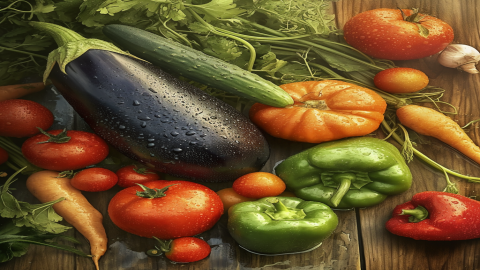
1. Potassium
Potassium is an essential element for maintaining normal heart and nervous system functions. Vegetables rich in potassium include potatoes, taro, yams, eggplants, and string beans. Potassium intake helps maintain electrolyte balance in the body and prevent hypertension.
2. Calcium
Calcium found in vegetables is an important component of bones and teeth. Common calcium-rich vegetables include Chinese cabbage, spinach, and rape. Calcium intake helps maintain bone health and prevent osteoporosis.
3. Iron
Iron is a necessary element for producing hemoglobin; iron deficiency may lead to anemia. Common iron-rich vegetables include spinach, celery, and amaranth. Iron intake helps maintain normal hematopoietic and immune functions.
4. Magnesium
Magnesium helps maintain normal nerve and muscle functions. Vegetables such as spinach, lettuce, yellow soybeans, and mung beans also contain relatively high levels of magnesium. Magnesium intake helps relieve nervous tension and improve sleep quality.
5. Zinc
Zinc helps enhance immunity and maintain normal taste and smell functions. Common zinc-rich vegetables include radishes, cabbage, and eggplants. Zinc intake helps strengthen the body's immune system and prevent colds and other infectious diseases.
Vegetables are one of the important sources of minerals. By reasonably combining and consuming various vegetables, the body's needs for multiple minerals can be met, thus maintaining good health. It is recommended to eat more vegetables in the daily diet to ensure the body receives sufficient minerals and other nutrients.