


What are the symptoms of arrhythmia?
Mar 12, 2025
Source: Cainiu Health

Dr. Tian Hongbo
Introduction
Symptoms of arrhythmia include palpitations, chest tightness, chest pain, dizziness, and fatigue. In daily life, it is important to maintain a healthy lifestyle, including regular sleep patterns, avoiding staying up late, and ensuring adequate sleep; eating a balanced diet with proper nutrition, reducing intake of high-salt, high-fat, and high-sugar foods; engaging in moderate exercise suitable for individual conditions, while avoiding overexertion and strenuous activities.
In general, symptoms of arrhythmia include palpitations, chest tightness, chest pain, dizziness, and fatigue. Detailed analysis is as follows:
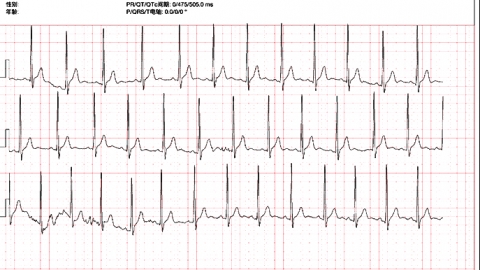
1. Palpitations
When arrhythmia occurs, the normal rhythm of cardiac contraction and relaxation is disrupted, affecting the heart's pumping function. This irregular heartbeat reduces the efficiency of blood delivery from the heart to various parts of the body, leading to insufficient blood supply to the brain and other organs. At the same time, the abnormal heartbeats stimulate nerve endings within the heart, causing the sensation of palpitations.
2. Chest Tightness
Arrhythmia may affect cardiac blood supply function, leading to myocardial ischemia and causing chest tightness. Patients may feel a sense of pressure or blockage in the chest, sometimes accompanied by difficulty breathing.
3. Chest Pain
When arrhythmia is severe, myocardial ischemia and hypoxia may worsen, potentially causing chest pain. The pain is typically described as dull, sharp, or crushing, and may radiate to the shoulders, back, neck, or upper abdomen. The severity varies among individuals and can significantly affect normal activities in severe cases.
4. Dizziness
Arrhythmia can affect blood supply from the heart to the brain, potentially causing cerebral hypoperfusion and resulting in dizziness. Patients may feel lightheaded or experience vertigo, sometimes accompanied by visual darkening. Symptoms may become more pronounced when standing up quickly or engaging in simple physical activities.
5. Fatigue
Cardiac function affected by arrhythmia cannot effectively deliver blood to all organs and tissues throughout the body, leading to insufficient oxygen and nutrients to various body parts and resulting in fatigue. Patients may feel generally tired and weak, with reduced exercise tolerance, easily feeling exhausted even after minor physical activities.
In daily life, it is important to maintain a healthy lifestyle, regular作息 (作息 should be translated as "作息" here, but the correct English term is "作息" which refers to sleep and rest patterns), avoid staying up late, and ensure adequate sleep; eat a balanced diet with reduced intake of high-salt, high-fat, and high-sugar foods, and quit smoking while limiting alcohol consumption; engage in moderate exercise, choosing suitable forms of activity based on individual conditions, such as walking, jogging, or yoga, while avoiding overexertion and strenuous exercise.


