


Which foods should not be consumed with mung bean soup?
Mar 13, 2025
Source: Cainiu Health

Dr. Yu Yongchao
Introduction
Under normal circumstances, foods such as tomatoes, lamb, crabs, spinach, and snails should not be consumed together with mung bean soup. Mung bean soup contains a large amount of metal ions, which may destroy the vitamin C in tomatoes, reducing their nutritional value, and may also affect the medicinal value of the mung bean soup. Lamb is warming in nature and has nourishing properties, whereas mung bean soup is cooling in nature.
Generally, foods such as tomatoes, lamb, crabs, spinach, and snails should not be consumed together with mung bean soup. The detailed explanations are as follows:
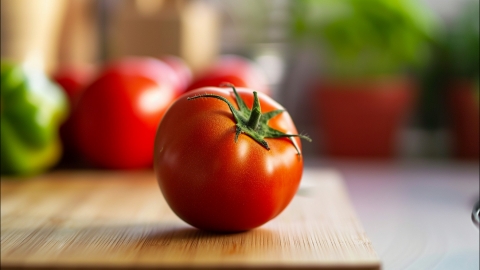
1. Tomatoes
Mung bean soup contains a large amount of metal ions, which may destroy the vitamin C in tomatoes, reducing their nutritional value. It may also affect the medicinal value of the mung bean soup.
2. Lamb
Lamb is warming in nature and has nourishing effects, while mung bean soup is cooling. Consuming them together may cause adverse interactions, potentially leading to unfavorable effects on health such as abdominal pain and diarrhea.
3. Crabs
Crabs are cold in nature. When combined with the cooling properties of mung bean soup, they may cause excessive coldness in the body, affecting the function of the spleen and stomach, and potentially causing digestive discomfort such as diarrhea and abdominal pain.
4. Spinach
Spinach contains oxalic acid, which can easily form calcium oxalate when consumed with mung bean soup. This not only affects calcium absorption but may also increase the risk of developing stones.
5. Snails
Snails contain a large amount of copper. When combined with vitamin C from mung bean soup, they may form substances that are difficult for the human body to absorb, thus affecting the absorption and utilization of copper.
In addition, it is recommended not to consume mung bean soup on an empty stomach to avoid damage to the spleen and stomach, especially for individuals with spleen and stomach deficiency coldness, who should be particularly cautious in consumption.





