


How long can an egg survive in the body?
Mar 14, 2025
Source: Cainiu Health

Dr. Zhang Lu
Introduction
The survival time of an egg inside the body is typically 12–24 hours, and generally does not exceed 48 hours. In daily life, it is important to maintain a regular sleep schedule and avoid staying up late, as this may affect ovarian ovulation function, egg quality, and survival time. At the same time, maintaining a balanced diet and consuming adequate vitamins and minerals will provide sufficient nutritional support for the normal development of the egg.
Under normal circumstances, an egg typically survives in the body for about 12-24 hours, and generally no more than 48 hours. A detailed explanation is as follows:
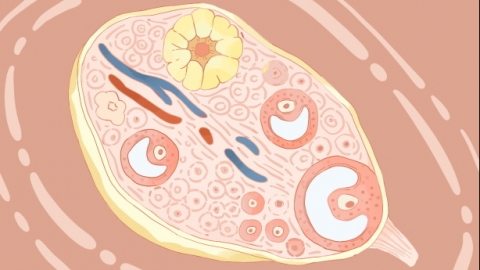
After natural ovulation, the egg is released from the ovary and enters the fallopian tube, where it waits to combine with sperm. The egg generally remains capable of fertilization for 12-24 hours. If fertilization does not occur within this time frame, the egg will gradually lose its viability and subsequently be absorbed by the body or expelled externally. In rare cases, some eggs may survive longer than 48 hours, although this is uncommon. Shorter survival times may also occur, primarily depending on the egg's overall health and quality.
In daily life, it is important to maintain a regular sleep-wake schedule and avoid staying up late, as this can affect ovarian function, egg quality, and survival time. Additionally, maintaining a balanced diet and consuming adequate amounts of vitamins, proteins, and minerals will provide sufficient nutritional support for normal egg development and optimal physiological condition.





