


What Causes Diarrhea Every Day in Summer?
Mar 17, 2025
Source: Cainiu Health

Dr. Shen Yonghua
Introduction
Consuming large amounts of cold beverages, chilled fruits, and other cold raw foods during summer can lower the temperature of the gastrointestinal tract, causing increased intestinal motility and affecting digestion and absorption functions, leading to diarrhea. This may be accompanied by abdominal pain and loose stools. It is recommended to reduce intake of cold raw foods, drink more warm water, and apply appropriate warmth to the abdomen to relieve discomfort. Daily meals should mainly consist of warm, easily digestible foods, such as millet porridge.
Diarrhea refers to diarrhea. Daily diarrhea in summer may be caused by improper diet, inappropriate rehydration after excessive sweating, acute gastroenteritis, irritable bowel syndrome, bacterial dysentery, etc., and appropriate management can be selected according to specific situations. If physical discomfort occurs, it is recommended to visit a hospital as soon as possible and follow medical advice for treatment.
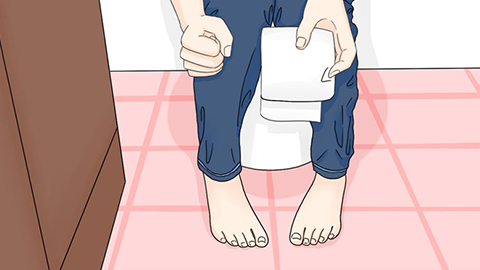
1. Improper diet: Consuming large amounts of cold beverages, chilled fruits, and other cold foods during summer can stimulate the gastrointestinal tract due to low temperatures, increasing peristalsis and affecting digestion and absorption functions, leading to diarrhea, accompanied by abdominal pain and loose stools. It is recommended to reduce intake of cold foods, drink more warm water, apply warm compresses to the abdomen to relieve discomfort, and consume warm, easily digestible foods such as millet porridge in daily meals.
2. Inappropriate rehydration after excessive sweating: In summer, when sweating is heavy, if only water is replenished without adequate salt intake, it can cause electrolyte imbalance in the body, affecting normal gastrointestinal function and causing diarrhea. Symptoms include fatigue, thirst, and watery stools. It is recommended to replenish with light salt water or appropriate amounts of sports drinks to maintain electrolyte balance, avoiding excessive water intake immediately after heavy sweating.
3. Acute gastroenteritis: In summer, food spoils easily; consuming food contaminated by bacteria or viruses can cause gastrointestinal inflammation, resulting in symptoms such as diarrhea, abdominal pain, nausea, and vomiting. Patients can take medications such as smectite powder, norfloxacin capsules, and Huoxiang Zhengqi water under medical guidance to alleviate symptoms.
4. Irritable bowel syndrome: High temperatures and humidity in summer, combined with irregular eating habits and mental stress, can easily trigger irritable bowel syndrome, leading to intestinal dysfunction, frequent diarrhea, often accompanied by abdominal pain that eases after defecation. It is recommended to take medications such as pinaverium bromide tablets, compound citrate alverine soft capsules, and Bifidobacterium quadruple live tablets under medical guidance.
5. Bacterial dysentery: Caused by Shigella infection, transmitted through contaminated food and water sources, leading to damaged intestinal mucosa, diarrhea with pus and blood in the stool, tenesmus, fever, etc. Patients can take medications such as compound berberine tablets, cefixime granules, and oral rehydration salts under medical guidance.
In daily life, it is recommended to adjust the diet structure, reduce the intake of cold, spicy, and greasy foods, and eat more warm, easily digestible foods.
References:
[1] Shen Min, Shi Danping. The Improvement Effect and Mechanism of Berberine Hydrochloride on Intestinal Mucosal Microcirculation Disorders in a Mouse Model of Acute Bacterial Dysentery [J]. Chinese Journal of Endemic Disease Control, 2024, 39(05): 446-447.
[2] Liu Li. Clinical Effect of Routine Stool Examination in Seasonal Diarrhea Examination [J]. Chinese Journal of Modern Drug Application, 2021, 15(20): 247-249.



