


What are the causes of stomach problems in summer?
Mar 24, 2025
Source: Cainiu Health

Dr. Shen Yonghua
Introduction
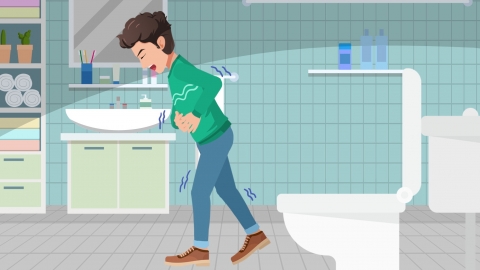
Diarrhea refers to loose or watery stools. Generally, possible causes of diarrhea during summer may include high temperatures, changes in dietary habits, indigestion, bacterial infections, viral infections, and so on. Symptomatic management usually involves general treatment and medication. In daily life, it is important to maintain good dietary hygiene and habits, keep a regular diet, and avoid overeating, which can help prevent the occurrence of diarrhea.
Diarrhea refers to loose or watery stools. Generally, possible causes of diarrhea during summer may include high temperatures, changes in dietary habits, indigestion, bacterial infection, and viral infection. Symptomatic management may involve general treatment and medication. If symptoms are severe, timely medical consultation and examination are recommended for targeted treatment. Detailed explanations are as follows:
1. High temperatures
During hot summer weather, the body sweats heavily, and if fluids are not replenished promptly, dehydration may occur. Dehydration affects the lubrication function of the intestines. It is recommended to drink more water to replenish body fluids, avoid prolonged exposure to high temperatures, rest appropriately, and avoid strenuous exercise.
2. Changes in dietary habits
Consumption of cold beverages and raw, cold foods in summer may lead to imbalance of intestinal flora, with a decrease in beneficial bacteria and an increase in harmful bacteria, thus causing diarrhea, which may be accompanied by symptoms such as bloating, abdominal pain, and nausea. It is recommended to consume cold foods in moderation and eat more prebiotic-rich foods such as bananas, apples, and yogurt, which help regulate the balance of intestinal flora.
3. Indigestion
Irregular eating patterns and overeating during summer can easily lead to indigestion. In such cases, food may remain in the gastrointestinal tract for too long or be inadequately digested, increasing the burden on the gastrointestinal tract and causing intestinal environment disturbances, which can lead to diarrhea, possibly accompanied by bloating, belching, and nausea. It is recommended to use medications such as Jianwei Xiaoshi tablets (digestive tablets), compound digestive enzyme capsules, and Dashanzha pills under a doctor's guidance.
4. Bacterial infection
With high temperatures and humidity in summer, bacteria multiply rapidly. If food or water sources are contaminated—for example, by bacteria such as Escherichia coli, Salmonella, or Shigella—ingesting the contaminated food or water can easily lead to bacterial infection. These bacteria can cause bacterial diarrhea, which may be accompanied by symptoms such as fever, abdominal pain, and tenesmus. It is recommended to use medications such as norfloxacin capsules, amoxicillin capsules, and cefixime tablets under a doctor's guidance.
5. Viral infection
Summer is also a high-incidence season for viral diarrhea, with common viruses including rotavirus and norovirus. These viruses mainly spread through droplets and contact—for example, entering the body through contaminated water sources, food, or objects—and can cause symptoms such as diarrhea and vomiting after infection. It is recommended to use medications such as oral rehydration salts, Huoxiang Zhengqi water, and ribavirin granules as directed by a physician to alleviate symptoms.
In daily life, attention should be paid to dietary hygiene and habits, maintaining regular eating patterns and avoiding overeating, which helps prevent the occurrence of diarrhea.
References
[1] Yao Heling. Be Careful About Summer Diarrhea—Infectious Diarrhea[J]. Family Medicine, 2024, (07): 61.
[2] Wang Tianlin. Prevention and Treatment of Summer Diarrhea[J]. Kaijuan Youyi - Seeking Medical Advice and Medication, 2024, (07): 43.



