What causes frequent hiccups?
Mar 17, 2025
Source: Cainiu Health

Dr. Shen Yonghua
Introduction
In general, frequent hiccups may be caused by improper eating habits, psychological factors, electrolyte disturbances, gastroesophageal reflux, gastritis, and other reasons. Symptomatic management through general treatment, medication, and other methods is usually required. In daily life, it is recommended to maintain good eating habits, chew food thoroughly and eat slowly, and avoid overeating, which can help reduce the occurrence of symptoms.
In general, frequent hiccups may be caused by improper eating habits, psychological factors, electrolyte disturbances, gastroesophageal reflux, gastritis, and other factors. Symptomatic treatment through general therapy or medication may be necessary. If symptoms are severe, prompt medical attention is recommended, following the doctor's instructions for treatment. Detailed explanations are as follows:
1. Improper Eating Habits
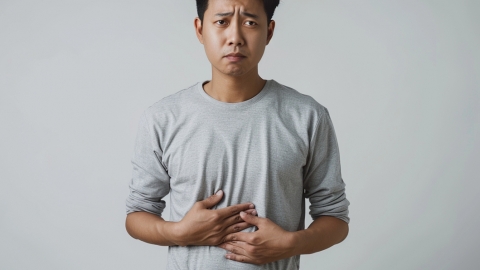
Eating too quickly, overeating, or consuming excessive gas-producing foods, such as legumes and carbonated beverages, can introduce too much gas into the stomach, increasing gastrointestinal burden and causing spasms of the diaphragm, thereby resulting in frequent hiccups. It is recommended to adjust eating habits and reduce the intake of gas-producing foods. Additionally, drinking more warm water can help alleviate symptoms.
2. Psychological Factors
Emotional excitement, such as excessive sadness, anxiety, or anger, can affect the stability of the nervous system, stimulating spasms of the diaphragm and leading to frequent hiccups. It is recommended to maintain a stable mental state and avoid excessive emotional fluctuations. Deep breathing, meditation, and other methods can help relax and relieve tension.
3. Electrolyte Disturbances
Long-term malnutrition, unbalanced diets, and other conditions may cause electrolyte disturbances, which can affect neuromuscular function, leading to abnormal excitement of the diaphragm and frequent hiccups, possibly accompanied by muscle spasms, arrhythmia, and other symptoms. It is recommended to follow medical advice and use medications such as sodium chloride solution, tolvaptan capsules, and sodium bicarbonate tablets to alleviate symptoms.
4. Gastroesophageal Reflux
During gastroesophageal reflux, stomach acid and digestive fluids flow back into the esophagus, irritating the esophageal mucosa and phrenic nerve, causing spasms of the diaphragm and resulting in frequent hiccups, possibly accompanied by chest pain, heartburn, belching, and other symptoms. It is recommended to follow medical advice and use medications such as omeprazole enteric-coated capsules, lansoprazole tablets, and famotidine tablets for treatment.
5. Gastritis
Gastritis can be caused by factors such as diet, medication, and Helicobacter pylori infection. Gastritis damages the gastric mucosa and weakens digestive function, causing food to ferment in the stomach and produce gas, increasing gastric pressure and stimulating spasms of the diaphragm, possibly accompanied by symptoms such as nausea, vomiting, and loss of appetite. It is recommended to follow medical advice and use medications such as domperidone tablets, bismuth potassium citrate capsules, and compound lactase capsules for treatment.
In daily life, it is recommended to maintain good eating habits, chew food slowly, and avoid overeating, which can help reduce symptom occurrence.
References
[1] Xia Yanfei. Dietary Considerations for Reflux Esophagitis[C]// Guangdong Provincial Cancer Rehabilitation Society. Collection of Health Science Works from the 2024 South China Health Management Forum. Department of Gastroenterology, Nanfang Hospital, Southern Medical University; 2024:127.
[2] Cui Haizhen. Hiccups Also Require Treatment[J]. Family Medicine. Happy养生, 2024(04):22.