


Why does a newborn hiccup frequently?
Dec 29, 2022
Source: Cainiu Health

Dr. Mei Quan
Introduction
If a baby frequently has hiccups, there are two possible situations: first, the baby may have swallowed a lot of air during feeding, such as when the mother's breast milk supply is insufficient or when the baby cries intensely during feeding. Other factors include the mother having inverted nipples or large nipples, causing the baby to be unable to properly latch onto the nipple or only grasp the upper portion, leading to crying while feeding. As a result, a large amount of air enters the stomach.
Many new mothers notice that their newborns hiccup frequently and become concerned that something might be wrong with their baby's health, leading to great anxiety. Why do newborns hiccup so often?
Why Do Newborns Hiccup Frequently?
If a baby frequently hiccups, it is usually because the baby has swallowed a lot of air during feeding. For example, this may happen when the mother’s breast milk supply is insufficient, when the baby cries intensely during feeding, when the mother has inverted nipples or large nipples, or when the baby fails to properly latch onto the nipple—perhaps only grasping the upper part—or feeds while crying. When large amounts of air enter the stomach in this way, it can trigger spasms of the diaphragm, resulting in frequent hiccups.
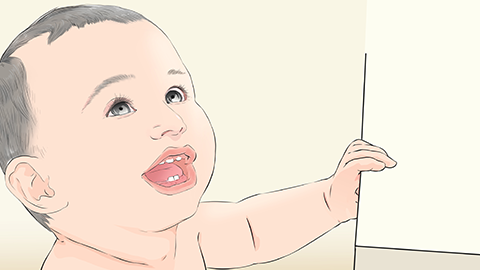
A cold or abdominal chill in the baby may impair digestive function and also lead to frequent hiccups. First, pay attention to feeding techniques. During breastfeeding, ensure both the nipple and areola are fully placed into the baby’s mouth to prevent exposure. Also, mothers should make it a habit to wash their hands before feeding and gently pull out the nipple to help the baby latch on properly. This makes it easier for the baby to fully cover the nipple, reducing the chance of swallowing excess air. Additionally, prolonged dampness from wet diapers entering the baby’s abdomen may also cause bloating or indigestion.

If hiccups are severe, you can give the baby a small amount of warm water to help relieve them. You may also try gently pinching the ears or hands. Most importantly, strengthen daily care and feeding practices, and pay close attention to proper feeding techniques. We hope this information is helpful to you. Wishing you good health and happiness.



