


What causes a child's fever to recur repeatedly?
Mar 17, 2025
Source: Cainiu Health

Dr. Zhou Xiaofeng
Introduction
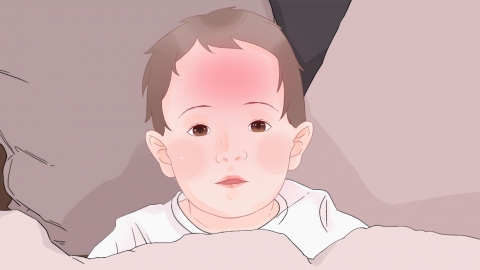
Fever refers to an elevated body temperature. Generally, recurring fever in children may be caused by an underdeveloped thermoregulatory center, physiological low-grade fever, acute respiratory tract infections, chronic tonsillitis, urinary tract infections, or other reasons. Symptomatic management may include general care and medication. If symptoms persist, it is recommended to seek timely medical attention and receive appropriate treatment under a doctor's guidance.
Fever refers to an elevated body temperature. Generally, recurrent fever in children may be caused by an immature thermoregulatory center, physiological low-grade fever, acute respiratory tract infections, chronic tonsillitis, urinary tract infections, or other factors. Symptomatic management through general treatment and medication may be necessary. If discomfort persists, it is recommended to seek timely medical advice and undergo appropriate treatment under a physician's guidance. A detailed explanation is as follows:
1. Immature Thermoregulatory Center
Due to their young age, children may have an underdeveloped thermoregulatory center, which can lead to recurring episodes of low-grade fever. This is a normal part of physiological development. As children grow older, the thermoregulatory center gradually matures, and the episodes of recurrent low-grade fever typically improve.
2. Physiological Low-Grade Fever
In some cases, emotional stress or vigorous physical activity may cause blood vessels to remain dilated for prolonged periods, resulting in physiological low-grade fever. Usually, there are no additional symptoms, and the child's general condition remains good. It is recommended to ensure adequate rest, reduce emotional stress, and avoid strenuous exercise; body temperature typically returns to normal on its own.
3. Acute Respiratory Tract Infection
Children have relatively narrow airways with thin and delicate mucous membranes, making them more susceptible to viral or bacterial infections that can cause recurrent respiratory tract infections. These pathogens may cause upper respiratory tract infections such as the common cold or pharyngitis, or lower respiratory tract infections such as bronchitis and pneumonia, which may lead to recurring fever. It is recommended to follow medical advice and use medications such as oseltamivir phosphate granules, ribavirin granules, or cefixime granules for treatment.
4. Chronic Tonsillitis
The tonsils, located on either side of the throat, act to block pathogens entering the respiratory tract but can also become sites for pathogen proliferation, leading to repeated inflammatory responses. This may result in reduced local immune function and increased susceptibility to bacterial or viral reinfections, causing recurrent fever. Some affected children may also develop swollen lymph nodes. It is recommended to follow medical instructions and use medications such as compound honeysuckle granules, amoxicillin capsules, or roxithromycin tablets to alleviate symptoms.
5. Urinary Tract Infection
Urinary tract infections are caused by bacterial invasion of the urinary system and are more common in female children, as bacteria can more easily travel retrograde to the bladder and even the kidneys. These infections can cause inflammation of the urethra, bladder, or kidneys, leading to systemic reactions including recurrent fever. It is recommended to follow medical guidance and use medications such as ciprofloxacin hydrochloride tablets, cefuroxime axetil tablets, or levofloxacin tablets for treatment.
In daily life, attention should be given to improving children's nutrition and encouraging regular physical activity to enhance immunity and prevent disease occurrence.
References
[1] Zhang Yingxu. Respiratory Tract Infections in Children and Recurrent Fever [J]. Health Reading, 2024, (11): 34.
[2] Yuan Aihua. What to Do When a Child Has Recurrent Fever? [J]. Everyone's Health, 2019, (21): 19.



