


What should I do if a child has recurring fevers?
Dec 26, 2024
Source: Cainiu Health

Dr. Zhou Xiaofeng
Introduction
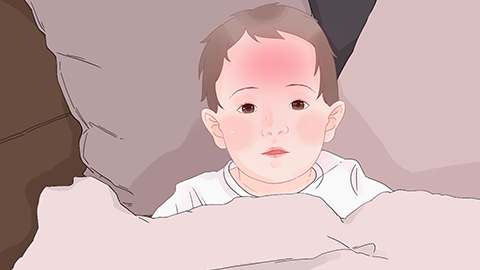
In general, fever refers to an elevated body temperature. Recurrent fever in children may be related to factors such as underdeveloped thermoregulatory centers, excessive physical activity, imbalanced diet, upper respiratory tract infections, or acute gastroenteritis. It is recommended to seek timely medical attention and follow the doctor's guidance for treatments such as general care or medication. Additionally, it is beneficial to moderately supplement minerals and vitamins in daily life to help alleviate symptoms.
Generally speaking, fever refers to elevated body temperature. Recurrent fever in children may be related to underdeveloped thermoregulatory center, excessive physical activity, unbalanced diet, upper respiratory tract infection, acute gastroenteritis, and other factors. It is recommended to seek timely medical consultation and follow the doctor's guidance for treatment approaches such as general care and medication therapy. Detailed explanations are as follows:
1. Underdeveloped Thermoregulatory Center
Children's thermoregulatory centers are not fully mature, making them susceptible to external environmental factors such as high ambient temperature and excessive clothing, which can cause thermoregulatory imbalance and recurrent fever. It is recommended to adjust clothing according to weather changes and children's actual conditions, avoiding excessive warmth.
2. Excessive Physical Activity
Active and energetic children may generate increased internal heat when engaging in excessive physical activity, and if heat dissipation is delayed, body temperature may rise. It is recommended to promptly change out of sweat-soaked clothing after exercise to avoid catching a chill.
3. Unbalanced Diet
An unbalanced diet in children, lacking essential nutrients or consuming excessive indigestible foods, may lead to decreased immunity, making them vulnerable to pathogen invasion, causing fever and symptoms such as rolling eyes. Ensure a balanced diet rich in vitamins and proteins, avoiding overeating.
4. Upper Respiratory Tract Infection
Upper respiratory tract infections are usually caused by viral or bacterial infections. These infections intensify inflammatory responses in children's bodies, releasing inflammatory mediators that elevate body temperature. Symptoms often include runny nose, coughing, and sneezing. Follow medical advice to use medications such as compound paracetamol and amantadine tablets, isatis root granules, oseltamivir phosphate capsules, etc.
5. Acute Gastroenteritis
Acute gastroenteritis is usually caused by viral, bacterial, or parasitic infections. Gastrointestinal inflammation caused by acute gastroenteritis in children leads to elevated body temperature. Symptoms generally include diarrhea, vomiting, and abdominal pain. Follow medical advice to use medications such as enteritis soothing tablets, compound berberine tablets, amoxicillin and clavulanate potassium granules, etc.
It is advisable to maintain a bland diet, appropriately supplement minerals and vitamins, ensure adequate rest and warmth, which benefits symptom relief.








