


What are the efficacy, uses, and side effects of Atorvastatin?
Mar 19, 2025
Source: Cainiu Health

Dr. Yang Ziqi
Introduction
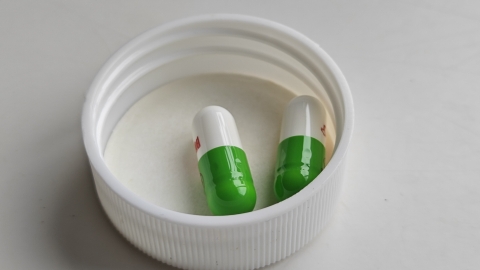
Atorvastatin is available in various dosage forms, including tablets and capsules. Its therapeutic effects include lowering cholesterol, reducing triglycerides, increasing high-density lipoprotein (HDL), stabilizing atherosclerotic plaques, and exerting anti-inflammatory effects. Adverse effects may include muscle pain, abnormal liver function, elevated blood glucose, gastrointestinal discomfort, headache, and dizziness. During treatment with atorvastatin, it is important to regularly monitor blood lipid levels, liver function, blood glucose, and other relevant parameters.
Generally, atorvastatin is available in dosage forms such as tablets and capsules. Its therapeutic effects include lowering cholesterol, reducing triglycerides, increasing high-density lipoprotein (HDL), stabilizing atherosclerotic plaques, and exerting anti-inflammatory effects. Side effects may include muscle pain, abnormal liver function, elevated blood glucose, gastrointestinal discomfort, and headache or dizziness. It is recommended to use this medication under medical supervision. A detailed explanation is as follows:
I. Therapeutic Effects of Atorvastatin
1. Lowering Cholesterol
Atorvastatin inhibits a key enzyme involved in cholesterol synthesis in the liver, thereby reducing endogenous cholesterol production and effectively lowering total cholesterol and low-density lipoprotein cholesterol (LDL-C) levels in the blood.
2. Lowering Triglycerides
This medication can reduce triglyceride levels to a certain extent, helping to improve lipid abnormalities and reduce the risk of cardiovascular diseases caused by elevated triglycerides.
3. Increasing High-Density Lipoprotein
Atorvastatin can elevate high-density lipoprotein cholesterol levels. HDL transports cholesterol from the blood vessel walls to the liver for metabolism, thus exerting a protective effect on the cardiovascular system.
4. Stabilizing Plaques
Through mechanisms such as improving vascular endothelial function, this drug thickens the fibrous cap of atherosclerotic plaques and reduces the lipid core, thereby stabilizing the plaques and decreasing the risk of plaque rupture and subsequent thrombosis.
5. Anti-inflammatory Effects
Atorvastatin has anti-inflammatory properties, capable of inhibiting the aggregation of inflammatory cells and the release of inflammatory mediators. This reduces inflammatory responses in the vessel walls, minimizes damage to the vascular endothelium, and helps slow the progression of atherosclerosis.
II. Side Effects of Atorvastatin
1. Muscle Pain
Atorvastatin may interfere with the synthesis of coenzyme Q10 within muscle cells. Coenzyme Q10 is crucial for maintaining energy metabolism and membrane stability in muscle cells. Its deficiency can lead to insufficient energy supply and compromised membrane integrity in muscle cells, resulting in muscle pain, weakness, and impaired daily activities.
2. Abnormal Liver Function
After entering the body, the drug is primarily metabolized in the liver. Atorvastatin and its metabolites may exert direct toxic effects on hepatocytes, disrupting normal metabolic processes within liver cells and affecting their functional and structural integrity. This can lead to the release of intracellular substances such as alanine aminotransferase (ALT) and aspartate aminotransferase (AST) into the bloodstream, causing elevated levels of these liver enzymes.
3. Elevated Blood Glucose
Atorvastatin may interfere with insulin signaling pathways. Insulin plays a key role in regulating glucose metabolism. When the drug impairs insulin signal transduction and reduces insulin sensitivity, cellular uptake and utilization of glucose decrease, potentially leading to elevated blood glucose levels.
4. Gastrointestinal Discomfort
After oral administration, the drug may directly irritate the gastrointestinal mucosa, affecting normal gastrointestinal motility and secretion of digestive fluids. It may also alter the balance of gut microbiota, further impairing digestion and absorption functions, leading to symptoms such as nausea, vomiting, diarrhea, and abdominal pain.
5. Headache and Dizziness
Atorvastatin may affect the regulation of cerebral blood vessels, altering vascular tone and causing abnormal constriction or dilation of cerebral vessels, which can lead to cerebral hypoperfusion or hemodynamic changes. Additionally, the drug may influence the balance of neurotransmitters in the nervous system, such as serotonin and dopamine levels, potentially triggering symptoms of headache and dizziness.
During treatment with atorvastatin, regular monitoring of lipid profiles, liver function, and blood glucose levels is necessary. It is generally recommended to perform the first follow-up check 4-6 weeks after initiating therapy.






