What causes numbness in the thigh?
Mar 20, 2025
Source: Cainiu Health

Dr. Lv Zhiqin
Introduction
In general, numbness in the thigh may be caused by poor posture, overexertion, sciatica, multiple sclerosis, lumbar disc herniation, or other similar conditions. Symptomatic management usually involves general treatment and medication. It is recommended to engage in moderate daily exercise, such as jogging, swimming, or cycling, to promote blood circulation, improve physical fitness, and reduce the risk of illness.
Generally, numbness in the thigh may be caused by poor posture, overexertion, sciatica, multiple sclerosis, lumbar disc herniation, and other similar reasons. Symptomatic management through general treatment and medication is often required. If discomfort occurs, it is recommended to seek timely medical attention and undergo appropriate treatment under a doctor's guidance. A detailed explanation is as follows:
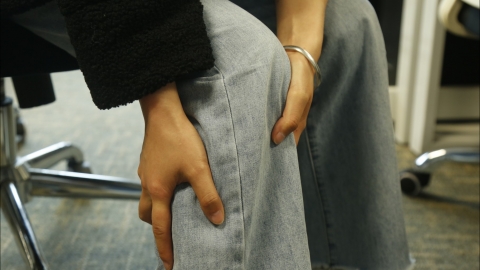
1. Poor Posture
Maintaining the same posture for extended periods, such as sitting or standing for long durations, may compress nerves and blood vessels in the thigh area, leading to impaired blood circulation and a sensation of numbness. Usually, no other symptoms accompany this condition. It is recommended to adjust sitting or standing posture and avoid maintaining the same position for prolonged periods.
2. Overexertion
Excessive physical strain can lead to the accumulation of lactic acid in thigh muscles and impair local blood circulation, thereby obstructing nerve conduction and causing numbness. This may be accompanied by muscle soreness and weakness. It is recommended to gently massage the thigh muscles to improve local blood circulation and promote lactic acid absorption.
3. Sciatica
Compression or inflammation of the sciatic nerve can interfere with nerve signal transmission, causing radiating numbness from the thigh down to the calf. Patients may also experience severe leg pain, muscle weakness, and diminished reflexes. It is recommended to take medications such as ibuprofen sustained-release capsules, carbamazepine tablets, or diclofenac sodium sustained-release tablets under a doctor's guidance.
4. Multiple Sclerosis
Multiple sclerosis primarily results from autoimmune reactions, viral infections, and other contributing factors. This condition damages the myelin sheaths of nerves in the central nervous system, impairing normal nerve signal conduction and causing numbness in the thigh area. It may also be accompanied by visual disturbances, muscle weakness, and balance problems. It is recommended to follow medical advice and use medications such as glatiramer acetate injection, dimethyl fumarate enteric-coated capsules, or teriflunomide tablets to alleviate symptoms.
5. Lumbar Disc Herniation
Lumbar disc herniation is primarily caused by long-term wear and tear, trauma, and other similar factors. When a lumbar disc protrudes, the herniated disc tissue can compress the lumbar nerve roots, disrupting nerve signal transmission and causing numbness in the thigh area. Symptoms may also include lower back pain, leg weakness, and diminished reflexes. It is recommended that patients use medications such as Gentengping Granules, Yaotongning Capsules, or Duhuo Jisheng Pills under a doctor's supervision.
It is also recommended to engage in moderate daily exercise, such as jogging, swimming, or cycling, to promote blood circulation, improve overall physical health, and reduce the risk of illness.