


Causes and Treatment Methods for Bitter Taste, Bad Breath, and Dry Mouth
Mar 20, 2025
Source: Cainiu Health

Dr. Shen Yonghua
Introduction
Frequently consuming spicy, greasy, or irritating foods, or excessively smoking and drinking alcohol can impair gastrointestinal digestive function, causing food to remain in the gastrointestinal tract for too long, producing unpleasant odors, and leading to bitter taste, bad breath, and dry mouth. To improve this condition, it is recommended to adjust dietary habits, maintain a light diet, eat more vegetables and fruits, quit smoking, limit alcohol consumption, and maintain good oral hygiene by brushing teeth in the morning and evening and rinsing the mouth after meals.
Bitter taste in the mouth, bad breath, and dry mouth may be caused by不良 dietary habits, insufficient sleep, indigestion, constipation, bile reflux gastritis, and other conditions. These symptoms can be treated through general treatments, medication, and other methods. It is recommended to seek timely medical attention, identify the underlying cause through examination, and follow medical advice for management.
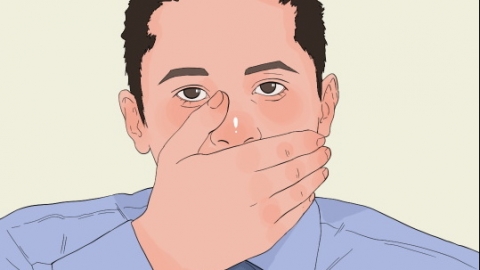
1. Poor dietary habits: Regular consumption of spicy, greasy, or irritating foods, or excessive smoking and alcohol intake can impair gastrointestinal digestive function, causing food to remain in the gastrointestinal tract for too long, producing odor and resulting in bitter taste, bad breath, and dry mouth. The solution is to adjust dietary habits, maintain a light diet, consume more vegetables and fruits, quit smoking, limit alcohol consumption, and also maintain good oral hygiene, including brushing teeth in the morning and evening and rinsing the mouth after meals.
2. Insufficient sleep: Long-term lack of sleep can affect the body's metabolism and endocrine system, leading to reduced saliva secretion in the mouth and weakened self-cleaning function, thereby causing symptoms of bitter taste, bad breath, and dry mouth. It is important to ensure sufficient sleep, approximately 7-8 hours daily, develop good sleep habits, and avoid staying up late.
3. Indigestion: The cause is slowed gastrointestinal motility or insufficient secretion of digestive enzymes, resulting in inadequate digestion of food in the gastrointestinal tract. Symptoms include postprandial fullness, early satiety, upper abdominal pain, bitter taste, bad breath, and dry mouth. Patients can take medications such as healthy stomach digestive tablets, domperidone tablets, and compound digestive enzyme capsules under a doctor's guidance to alleviate symptoms.
4. Constipation: Stool remaining in the intestines for too long causes excessive water absorption, leading to dry, hard stools that produce large amounts of toxins. These toxins are absorbed by the intestines, causing bitter taste, bad breath, dry mouth, and symptoms such as difficult defecation and hard stools. Patients can take medications such as lactulose oral solution, polyethylene glycol 4000 powder, and bifid triple viable capsules under medical guidance to improve symptoms.
5. Bile reflux gastritis: Due to dysfunction of the pyloric sphincter, bile refluxes into the stomach, irritating the gastric mucosa, causing bitter taste, bad breath, dry mouth, and often accompanied by upper abdominal pain, nausea, vomiting, and other symptoms. It is recommended to take medications such as omeprazole enteric-coated capsules, hydrotalcid chewable tablets, and mosapride citrate tablets under medical guidance to relieve discomfort.
In daily life, it is recommended to drink more water and consume light, easily digestible foods to reduce oral irritation and odor. Avoid excessive intake of irritating foods and maintain a balanced diet.
References:
[1] Wang Bo. Expert recommendations on rational drug use for indigestion in Chinese families (popular science practice edition) [J]. Chinese Journal of Gastroenterology, 2024, 29(06): 334-339.
[2] Xu Dutian, Zhang Hongxi. Advances in experimental research on treatment of slow transit constipation with traditional Chinese medicine [J]. Clinical Research in Traditional Chinese Medicine, 2024, 16(32): 113-118.



