Does cervical fragility lead to difficulty in wound healing?
Mar 20, 2025
Source: Cainiu Health

Dr. Zhang Lu
Introduction
Under normal circumstances, cervical fragility may lead to difficulty in wound healing. The cervix is one of the more fragile areas of the human body, with a relatively small number of epithelial cells, making it difficult for the cervix to repair itself quickly after injury. Cervical fragility usually indicates poor tissue elasticity, making it prone to damage from external stimuli such as sexual intercourse or gynecological examinations.
Generally, cervical fragility may lead to difficulty in wound healing. If experiencing any discomfort, it is recommended to seek medical attention promptly. Detailed analysis is as follows:
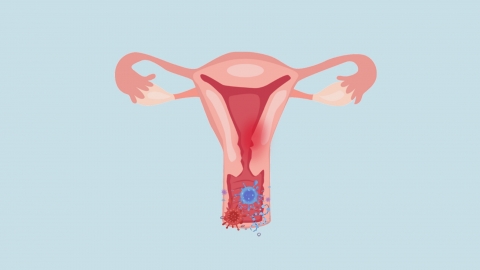
Cervical fragility typically refers to fragile cervical tissue, which may result from various factors including congenital developmental abnormalities, hormonal changes, cervicitis, cervical polyps, and cervical columnar epithelial displacement. Fragile cervix usually indicates poor tissue elasticity, making it susceptible to damage from external stimuli. Activities such as sexual intercourse and gynecological examinations can potentially cause cervical injury. Moreover, cervical wounds are easily irritated by secretions from the urethra and vagina, which may contain bacteria or other pathogens, thereby increasing the risk of wound infection. Once an infection occurs, it may delay the healing process and even lead to exacerbated inflammatory responses.
In daily life, excessive sexual activity and frequent gynecological examinations should be avoided to reduce mechanical irritation to the cervix. Maintaining good personal hygiene and undergoing regular gynecological check-ups are also important to detect and address other potential issues promptly.