


What to do if a cervical wound is difficult to heal
Jan 25, 2025
Source: Cainiu Health

Dr. Zhang Lu
Introduction
Under normal circumstances, the reasons for the difficulty in healing of cervical wounds may include strenuous exercise, malnutrition, cervical inflammation, cervical adhesion, and cervical polyps. Treatment can be carried out under a doctor's guidance using general treatments, medication, and other methods. To prevent the occurrence of this condition, it is important to maintain personal hygiene in daily life, frequently change and wash underwear, keep the local area clean, and avoid bacterial growth that could lead to infection.
Generally, the reasons for difficult healing of cervical wounds may include strenuous exercise, malnutrition, cervical inflammation, cervical adhesion, and cervical polyps. Under a doctor's guidance, general treatments and medication can be used. Detailed explanations are as follows:
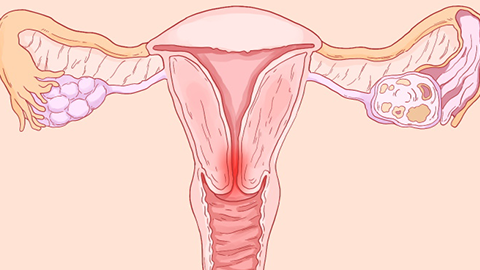
1. Strenuous Exercise
Strenuous physical activity might pull at the cervical wound, hindering the healing process. During the early stages of cervical wound healing, the wound tissue is not yet stable, and vigorous exercise may increase wound tension, thus affecting healing. During the healing period of a cervical wound, strenuous activity should be avoided, and bed rest is recommended to promote wound stabilization and healing.
2. Malnutrition
Malnutrition can impair the body's ability to repair itself, slowing the healing of cervical wounds. A lack of essential nutrients, such as proteins, vitamins, and minerals, can affect collagen synthesis and cellular regeneration capacity. During the recovery period, attention should be given to nutritional supplementation, including eating more protein-rich foods, fresh fruits and vegetables, and mineral-rich foods to enhance the body's repair capabilities.
3. Cervical Inflammation
Cervical inflammation is typically an inflammatory response of the cervical mucosa caused by pathogen invasion. Infiltration of inflammatory cells leads to local vasodilation, edema, and exudation, thereby affecting wound healing. Accompanying symptoms may include odor and itching. Treatment should follow medical advice to use medications such as Ceftriaxone Sodium Injection, Azithromycin Dispersible Tablets, and Minocycline Hydrochloride Capsules.
4. Cervical Adhesion
Cervical adhesion may occur due to mucosal damage of the cervical canal following trauma or inflammation, resulting in adhesion and closure of the affected area. Adherent tissue can hinder the normal healing process of the wound. Symptoms may include menstrual abnormalities, infertility, or recurrent miscarriage. Under a doctor's guidance, medications such as Estradiol Valerate Tablets, Cefixime Capsules, and Cefuroxime Axetil Tablets can be used for treatment.
5. Cervical Polyps
Cervical polyps may be caused by localized hyperplasia of the cervical gland and stroma, protruding from the cervical os to form a polyp. The pressure from the polyp on surrounding tissues may lead to delayed healing of cervical wounds. Symptoms may also include increased vaginal discharge and contact bleeding. Under a doctor’s recommendation, medications such as Amoxicillin Capsules, Cefixime Dispersible Tablets, and Levofloxacin Hydrochloride Tablets can be used for treatment.
To prevent this condition, it is important to maintain personal hygiene in daily life, frequently change and wash underwear, keep the local area clean to avoid bacterial growth and infection. Regular gynecological examinations should be conducted to detect and treat cervical diseases promptly, preventing disease progression from affecting wound healing.





