


What causes cold feet in women, and how can it be managed?
Mar 21, 2025
Source: Cainiu Health

Dr. Zhang Lu
Introduction
In general, cold feet in women may be caused by poor peripheral circulation, imbalanced body temperature regulation, anemia, hypothyroidism, Raynaud's syndrome, or other related factors. It is recommended to seek timely medical advice and, under a doctor's guidance, employ methods such as foot massage, physical exercise, and medication for improvement. Additionally, maintaining a healthy lifestyle with a balanced diet and appropriate physical activity is important.
Generally, cold feet in women may be caused by poor peripheral circulation, imbalanced thermoregulation, anemia, hypothyroidism, Raynaud's syndrome, and other factors. It is recommended to seek timely medical consultation and, under a doctor's guidance, adopt methods such as foot massage, physical exercise, and medication for management. Detailed explanations are as follows:
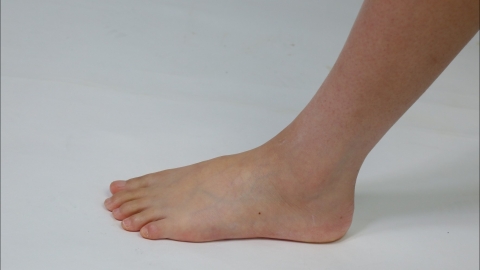
1. Poor Peripheral Circulation
The feet are located at the periphery of the body, where blood circulation is relatively weak. In cold environments or during prolonged sitting, blood flow to the feet decreases, causing a drop in foot temperature. It is recommended to regularly perform foot massage to promote local blood circulation.
2. Imbalanced Thermoregulation
Women generally have weaker thermoregulatory capacity. During cold seasons or in low-temperature environments, the body reduces blood supply to the limbs in order to maintain core body temperature, leading to cold feet. It is advisable to engage in appropriate physical exercise to enhance physical fitness and thermoregulation.
3. Anemia
Anemia is usually caused by insufficient quantity or quality of red blood cells, resulting in reduced oxygen-carrying capacity in the blood. When anemia occurs, the weakened oxygen-carrying capacity of blood affects peripheral circulation, causing cold feet. This condition is often accompanied by symptoms such as pale complexion, fatigue, and dizziness. Patients should follow medical advice to use medications such as Fufang Ejiao Jiang (Compound Donkey-hide Gelatin Syrup), Vitamin C tablets, Ferrous Fumarate tablets, and others to alleviate symptoms.
4. Hypothyroidism
Hypothyroidism typically results from insufficient secretion of thyroid hormones. When thyroid hormone levels are low, metabolism slows down, affecting blood circulation and leading to cold feet. Common accompanying symptoms include sensitivity to cold, weight gain, and bradycardia. Patients may use medications such as Levothyroxine Sodium Tablets, Thyroid Tablets, and Human Thyroid-Stimulating Hormone Injection under medical guidance for treatment.
5. Raynaud's Syndrome
Raynaud's Syndrome is a condition characterized by spasms of small arteries in the extremities due to dysfunction of vascular nerve control. Due to vascular nerve dysfunction, cold exposure or emotional excitement may cause sensations of coldness in peripheral areas such as the feet. Symptoms such as pain, numbness, and abnormal sensations may also occur. Patients may use medications such as Nifedipine Tablets, Compound Reserpine Tablets, and Compound Salvia Miltiorrhiza Tablets under medical supervision for treatment.
Maintaining a healthy lifestyle, including balanced nutrition and moderate exercise, can help improve overall physical fitness. Additionally, attention should be given to keeping feet warm, avoiding prolonged sitting, and regularly moving the limbs to help prevent symptoms of cold feet.



