


What causes bleeding from a newborn's umbilical cord?
Mar 21, 2025
Source: Cainiu Health

Dr. Zhou Xiaofeng
Introduction
Under normal circumstances, neonatal umbilical cord bleeding may be caused by natural detachment of the umbilical cord, local friction or trauma, omphalitis, abnormal coagulation function, or umbilical granuloma. Prompt medical attention is required, and treatment should follow medical advice. After birth, the umbilical cord in newborns will gradually dry and detach naturally. During this detachment process, small blood vessels around the umbilical cord may bleed slightly due to incomplete closure.
Generally, neonatal umbilical cord bleeding may be caused by natural separation of the umbilical cord, local friction or injury, omphalitis, abnormal coagulation function, or umbilical granuloma. Prompt medical attention is required, and treatment should follow medical advice. Details are as follows:
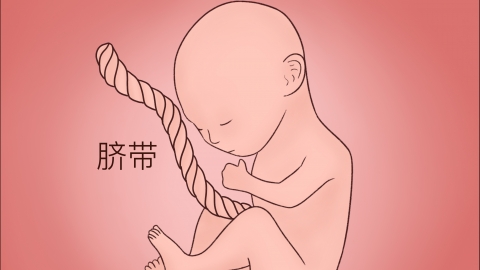
1. Natural separation of the umbilical cord: After birth, the umbilical cord will gradually dry and fall off naturally. During this process, small blood vessels around the umbilical cord might not be completely closed, leading to minor bleeding. Gently wipe the bloodstains with a clean cotton swab, avoiding pulling or rubbing the umbilical cord forcefully.
2. Local friction or injury: When newborns move or their umbilical cord stump is rubbed by clothing or diapers, it may accidentally cause traction on the stump, resulting in minor bleeding. Apply sterile gauze or cotton ball to gently press the bleeding site for hemostasis, and disinfect the area with povidone-iodine or medical alcohol.
3. Omphalitis: Improper care of the umbilical cord stump may allow bacterial growth and reproduction, causing omphalitis. Inflammation leads to congestion and edema of the umbilical tissues, increased vascular permeability, and subsequent bleeding. The newborn may also develop fever. Anti-infective treatment should be administered under a physician's guidance using medications such as hydrogen peroxide solution, erythromycin ointment, or mupirocin ointment.
4. Abnormal coagulation function: Congenital deficiency of clotting factors or systemic diseases can affect the newborn's coagulation mechanism, causing umbilical cord bleeding, which may be accompanied by skin ecchymosis. Follow medical advice to use medications such as vitamin K1 injection, etamsylate injection, and ferrous sulfate syrup to stop bleeding and supplement iron.
5. Umbilical granuloma: After cutting the umbilical cord, the wound may become irritated, rubbed, or infected, leading to the formation of granuloma at the site. Granulation tissue appears moist, grayish-red, and may exude serosanguineous fluid, causing bleeding from the umbilical cord area, which may be accompanied by mild pain. Follow medical advice to use medications such as silver nitrate ointment, roxithromycin granules, or clindamycin ointment for anti-infective treatment.
When this symptom occurs, parents should carefully observe accompanying symptoms and consult a physician to confirm the diagnosis and formulate an appropriate treatment plan. It is also important to maintain cleanliness and dryness of the umbilical area to prevent worsening infection.
References:
[1] Hu Yamei, Jiang ZaiFang. Zhufutang Practical Pediatrics [M]. 8th edition. Beijing: People's Medical Publishing House, 2015.
[2] Chen Chao, Zhu Jianxing. Neonatal Medicine [M]. 4th edition. Beijing: People's Medical Publishing House, 2019.



