


Why do colds and fevers cause continuous sweating?
Mar 21, 2025
Source: Cainiu Health

Dr. Ren Yi
Introduction
In general, the causes of continuous sweating during a cold or fever include the defervescence process, the antipyretic effects of medications, an overly warm environment, physical weakness, and dysfunction of the hypothalamic thermoregulatory center. When this symptom occurs, patients should receive targeted treatment after identifying the specific cause. Meanwhile, it is important to maintain good living and dietary habits, ensure adequate rest and warmth, and avoid excessive fatigue and exposure to cold.
Generally, the causes of continuous sweating during a cold or fever include defervescence, antipyretic medication effects, excessive environmental heat, physical weakness, and dysfunction of the hypothalamic thermoregulatory center. Prompt medical attention is advised, and treatment should follow medical guidance. Details are as follows:
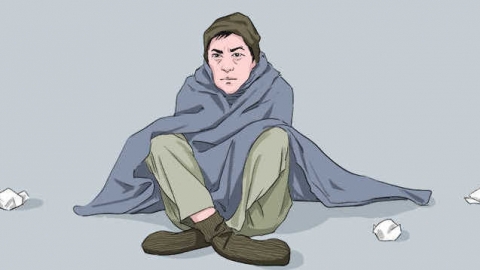
1. Defervescence: After developing a fever due to a cold, the body initiates a defense response to enhance resistance against pathogens. During recovery and viral clearance, body temperature decreases—a process known as defervescence. During this phase, the body dissipates heat through sweating, which naturally lowers body temperature. No specific treatment is required, although保暖 (keeping warm) to prevent chills and adequate hydration to prevent dehydration are important.
2. Antipyretic Medication Effects: Antipyretics may have been taken during the cold. These medications reduce central prostaglandin synthesis by inhibiting cyclooxygenase, thereby exerting antipyretic effects through the hypothalamic thermoregulatory center. Sweating commonly occurs during the antipyretic process. Follow medical instructions for medication use and closely monitor body temperature changes. If excessive sweating occurs, timely hydration and electrolyte replacement are necessary to prevent dehydration.
3. Excessive Environmental Heat: A large temperature difference between indoor and outdoor environments or high ambient temperatures can exacerbate fever symptoms and cause increased sweating. This occurs because high environmental temperatures accelerate metabolism, increasing perspiration to dissipate heat, and may be accompanied by thirst. Indoor temperature should be adjusted moderately, and good ventilation maintained. Additionally, timely hydration and electrolyte replacement are necessary to prevent dehydration. Air conditioners, fans, and similar devices can be used to lower indoor temperatures, but direct exposure to cool air should be avoided.
4. Physical Weakness: Physical weakness may be related to factors such as low immunity or malnutrition. When a physically weak individual contracts a cold, the body's response to the illness may intensify, causing fever and excessive sweating. Weakness or fatigue may also be present. Immunostimulatory medications such as transfer factor oral solution, thymopeptide enteric-coated tablets, and pidotimod oral solution may be used as directed by a physician.
5. Hypothalamic Thermoregulatory Center Dysfunction: During a cold, pathogens and their toxins, along with cytokines produced during the immune response, may collectively affect the hypothalamic thermoregulatory center, causing dysfunction in its regulatory capacity. This results in excessive heat production and insufficient heat dissipation, leading to fever and increased sweating. Chills may also occur. Under medical guidance, antiviral, antibacterial, and antipyretic treatments such as ribavirin tablets, penicillin V potassium tablets, and acetaminophen tablets should be used accordingly.
When this symptom occurs, patients should undergo targeted treatment after identifying the underlying cause. Maintaining healthy lifestyle and dietary habits, ensuring adequate rest and保暖, and avoiding excessive fatigue and cold exposure are also important.
References:
[1] Ge Junbo, Xu Yongjian, Wang Chen. Internal Medicine (9th Edition) [M]. Beijing: People's Health Publishing House, 2018.



