


Why should cold and raw foods be avoided during a cold?
Mar 22, 2025
Source: Cainiu Health

Dr. Ren Yi
Introduction
Under normal circumstances, the reasons for avoiding raw and cold foods during a cold include irritation of the respiratory tract and worsening of symptoms, impaired digestive function, increased phlegm production and difficulty in expectoration, reduced immune resistance, and possible gastrointestinal dysfunction. During a cold, patients should maintain a light and easily digestible diet, and appropriately replenish fluids and nutrients to promote recovery.
Generally speaking, when having a cold, there are several reasons why consuming raw or cold foods is not recommended: irritating the respiratory tract and worsening symptoms, impairing digestive function, increasing phlegm production and hindering its expulsion, lowering the body's resistance, and potentially causing gastrointestinal dysfunction. Details are as follows:
1. Irritation of the respiratory tract and worsening symptoms
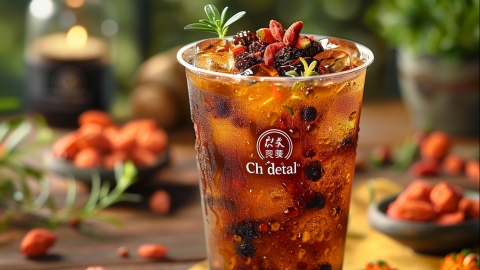
Raw and cold foods, especially cold beverages and ice cream, can cause the blood vessels in the throat to constrict due to the cold, resulting in poor local blood circulation. This can exacerbate existing respiratory symptoms such as congestion and swelling caused by the cold, thereby intensifying symptoms like coughing, sore throat, and hoarseness.
2. Impairment of digestive function
During a cold, the body's digestive function naturally weakens. Consuming cold foods rapidly lowers the temperature of the gastrointestinal tract, reducing the activity of digestive enzymes and affecting the gastrointestinal tract's ability to digest and absorb food. This may lead to indigestion and hinder the body's uptake and utilization of nutrients.
3. Increased phlegm production and hindered expectoration
Cold stimulation may cause the respiratory mucosa to secrete more mucus, resulting in increased and thicker phlegm. This not only makes it more difficult to expel phlegm but also provides a more favorable environment for pathogen growth, delaying recovery.
4. Reduced body resistance
Raw and cold foods may contain more bacteria or viruses, or may carry pathogens due to improper handling, making infection more likely or worsening existing infection. Additionally, the irritation caused by such foods may reduce the body's resistance, prolonging the course of the cold or intensifying symptoms.
5. Potential gastrointestinal dysfunction
Raw and cold foods may also irritate the intestines, increasing intestinal motility and potentially causing abdominal pain, diarrhea, and other intestinal disturbances. This further weakens the body's resistance and may hinder the absorption and utilization of nutrients, adversely affecting recovery from the cold.
During a cold, patients should maintain a light and easily digestible diet while adequately replenishing fluids and nutrients to promote recovery.


