


What Causes a Smelly Odor and Discharge from the Belly Button?
Mar 22, 2025
Source: Cainiu Health

Dr. Liu Wenmin
Introduction
The navel is prone to indentation, making it susceptible to accumulating dirt and debris. Prolonged lack of cleaning allows dirt to mix with skin secretions, promoting bacterial growth and resulting in odor and discharge. It is recommended to gently wipe the navel regularly with a cotton swab moistened with warm water. Handle gently to avoid skin damage and keep the navel clean and dry. Wearing tight-fitting or coarse-textured clothing can cause repeated friction on the navel, leading to local skin damage and increased secretions.
A foul odor and discharge from the navel may be caused by improper cleaning, clothing friction, excessive sweating, omphalitis, or a patent urachus. Appropriate management can be selected based on specific circumstances. If discomfort occurs, prompt medical attention is recommended.
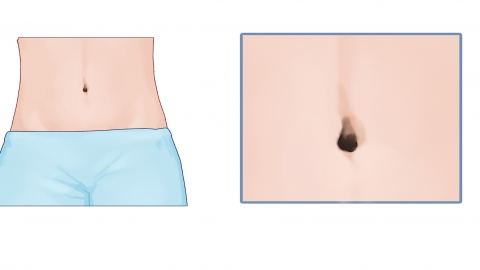
1. Improper cleaning: The navel is concave and prone to accumulating dirt. Prolonged lack of cleaning allows dirt to mix with skin secretions, promoting bacterial growth, which can lead to odor and discharge. It is recommended to regularly and gently wipe the navel with a cotton swab moistened with warm water. Handle gently to avoid skin damage and keep the navel clean and dry.
2. Clothing friction: Wearing tight or coarse-textured clothing can repeatedly rub against the navel, damaging the skin and increasing secretions, which encourages bacterial growth and produces an odor. It is advisable to choose loose, soft, breathable cotton clothing to reduce irritation and friction to the navel and lower the risk of infection.
3. Excessive sweating: During summer or after exercise, increased perspiration may accumulate in the navel area where sweat does not easily evaporate, creating conditions favorable for bacterial proliferation, resulting in odor and discharge. It is important to clean the body promptly, especially after sweating. Talcum powder may be used appropriately to keep the navel area dry, but care should be taken to prevent powder from entering deeper into the navel.
4. Omphalitis: Often caused by bacterial infection of the navel, leading to inflammation characterized by redness, swelling, pain, foul-smelling discharge, and in severe cases, purulent discharge. Patients may use antiseptics such as povidone-iodine solution, topical antibiotics like mupirocin ointment, or oral antibiotics such as cefixime capsules under a doctor's guidance to alleviate symptoms.
5. Patent urachus: The urachus fails to close completely, allowing urine to leak from the navel, causing foul-smelling discharge, often accompanied by dampness and recurrent infections. Patients may follow medical advice to use medications such as amoxicillin capsules, nitrofurantoin enteric-coated tablets, or Sanjin tablets to relieve discomfort.
It is recommended to maintain personal hygiene, gently drying the navel with a clean towel after washing, avoiding excessive force or using irritating products.





