


After taking Erchen Pills, can I take Cornus officinalis (Shanzhuyu)?
Mar 22, 2025
Source: Cainiu Health

Dr. Zhang Xiuhong
Introduction
Erchen Wan is mainly composed of Chinese herbs such as Pinellia (Banxia), Tangerine Peel (Chenpi), Poria (Fuling), and Licorice (Gancao). It functions to dry dampness, resolve phlegm, regulate qi, and harmonize the middle jiao. It is commonly used to treat symptoms such as cough and chest tightness caused by internal obstruction due to phlegm-dampness. On the other hand, Cornus officinalis (Shanzhuyu) is a kidney and liver tonic herb that helps retain essence and reduce urination. It is primarily used to treat symptoms such as deficiency of the liver and kidneys, soreness and weakness of the waist and knees, seminal emission, and spermatorrhea.
Generally, it is acceptable to take Cornus officinalis (Shanzhuyu) after completing a course of Erchen Wan (Two-Facetted Pills). However, if the patient is still experiencing phlegm-damp obstruction, it is typically not advisable to take Cornus officinalis at that stage. If any physical discomfort occurs, it is recommended to seek medical attention at a hospital promptly and follow the healthcare provider's instructions.
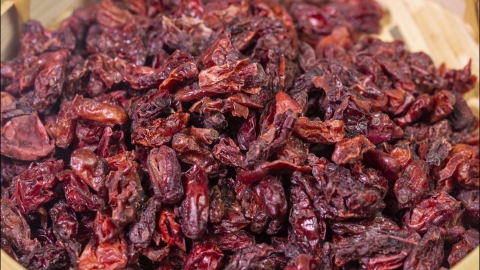
Erchen Wan mainly consists of traditional Chinese herbs such as Pinellia (Banxia), Tangerine Peel (Chenpi), Poria (Fuling), and Licorice (Gancao), and functions to dry dampness, resolve phlegm, regulate qi, and harmonize the middle jiao. It is commonly used for treating symptoms such as cough and chest tightness caused by internal accumulation of phlegm-damp. Cornus officinalis, on the other hand, is a tonic herb for nourishing the liver and kidneys, and for astringing essence and reducing urination. It is primarily used for symptoms such as deficiency of the liver and kidneys, soreness and weakness of the waist and knees, and seminal emission. If a patient simultaneously presents with internal phlegm-damp blockage and deficiency of the liver and kidneys, and there are no significant contraindications between the herbs, the two medicines may be taken concurrently or sequentially under the guidance of a TCM practitioner.
However, if physical discomfort persists and the phlegm-damp accumulation has not improved, meaning the patient remains in the stage of phlegm-damp stagnation, such as having excessive thick phlegm or a thick greasy tongue coating, the astringent and consolidating properties of Cornus officinalis may hinder the elimination of phlegm-damp, potentially worsening chest tightness and making phlegm more difficult to expel. In this case, priority should be given to Erchen Wan, and tonifying treatments should be postponed.
It is recommended to use medications under the guidance of a physician. During the medication period, attention should also be paid to maintaining a balanced diet and avoiding spicy and irritating foods such as hot pot and chili peppers, which may interfere with the medication's effectiveness.
References:
[1] Wang Jiaojun, Wang Zeping, Wang Xuelian, et al. Research progress on chemical constituents and pharmacological effects of Cornus officinalis [J]. Chinese Herbal Medicines, 2025, 56(03): 1088-1103.
[2] Wen Xilian, Wang Pinjie, Liu Hailin, et al. Development and antioxidant activity evaluation of Cornus officinalis beverage [J]. China Fruits & Vegetables, 2024, 44(12): 25-30.


