


Can women eat cornus officinalis in the morning?
Mar 24, 2025
Source: Cainiu Health

Dr. Zhang Xiuhong
Introduction
Whether women can consume Cornus officinalis (Shanzhuyu) in the morning should be determined based on individual physical conditions under the guidance of a traditional Chinese medicine practitioner. For women with kidney deficiency, consumption of Cornus officinalis may be appropriate following medical advice. However, for those with a naturally "hot" constitution or those prone to internal heat, it is not recommended. It is advised that women maintain healthy lifestyle habits, including a balanced diet and moderate exercise, which can help maintain overall health.
Whether women can consume Cornus officinalis in the morning should be determined according to individual physical conditions under the guidance of a TCM practitioner. If a woman has kidney deficiency, consumption of Cornus officinalis as directed by a physician is acceptable. However, if the woman has a constitution that tends toward heat or is prone to excessive internal heat, it is not advisable to take Cornus officinalis. Detailed analysis is as follows:
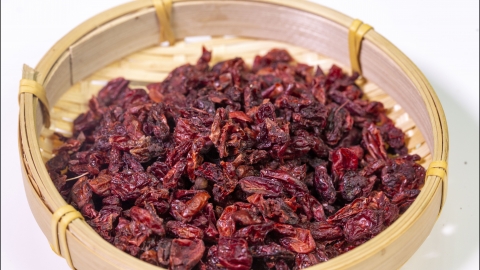
As a traditional Chinese medicinal herb, Cornus officinalis has unique therapeutic effects. Morning is the time when yang energy begins to rise, and after a night's rest, the body's yang energy gradually becomes active. For women experiencing symptoms such as soreness and weakness of the waist and knees, dizziness, tinnitus, seminal emission, or spermatorrhea caused by kidney deficiency, taking Cornus officinalis under medical guidance at this time can help support the rising trend of yang energy in the body and promote the generation and consolidation of kidney energy.
However, for women with a constitution that tends toward heat or those suffering from colds with fever or excess heat syndromes, Cornus officinalis, being warm in nature, may intensify internal heat symptoms, leading to issues such as dry mouth, thirst, and constipation. In such cases, women should avoid consuming Cornus officinalis in the morning. Additionally, pregnant and lactating women should use Cornus officinalis cautiously to avoid potential adverse effects on the fetus or infant's health.
In daily life, women are advised to maintain healthy lifestyle habits, including balanced nutrition and moderate exercise, which are beneficial for maintaining overall health.
References
[1] Yu Hongwei. "Cornus Officinalis as Both Medicine and Food Source." Henan Nongye (Henan Agriculture), 2024, (15): 2.
[2] Chen Ni, Liu Qianqian, Deng Yingying, et al. "Current Application Status of Health Products Containing Cornus Officinalis." Zhongcheng Yao (Chinese Traditional Patent Medicine), 2024, 46(11): 3768–3771.


