What causes intestinal polyps?
Mar 25, 2025
Source: Cainiu Health

Dr. Shen Yonghua
Introduction
In general, intestinal polyps may be caused by factors such as genetic predisposition, aging, lifestyle habits, ulcerative colitis, and Helicobacter pylori infection. Symptomatic management typically involves general treatment and medication. In daily life, it is recommended to adjust lifestyle habits, such as improving dietary habits and increasing physical activity, which can also help reduce the risk of developing intestinal polyps.
Generally, intestinal polyps may be caused by genetic factors, aging, lifestyle habits, ulcerative colitis, Helicobacter pylori infection, and other factors. Symptomatic management usually involves general treatment and medication. If physical discomfort occurs, prompt medical attention is advised. Detailed explanations are as follows:
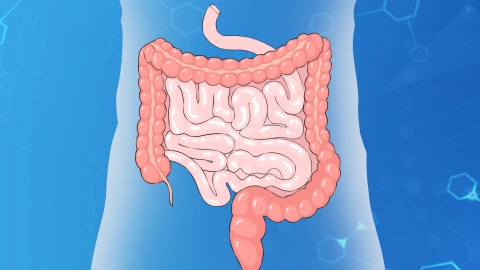
1. Genetic Factors
If there is a family history of intestinal polyps, the risk of other family members developing the condition significantly increases. This may be related to genetic mutations that lead to abnormal proliferation of intestinal cells, resulting in polyps. There are typically no specific associated symptoms, but the polyps may gradually enlarge, causing intestinal symptoms such as abdominal pain and diarrhea. Regular colonoscopies are recommended for early detection and removal of polyps.
2. Aging
As people age, the renewal rate of intestinal mucosal epithelial cells slows down, and the ability to repair damage weakens, making the intestinal mucosa more susceptible to external stimuli and increasing the risk of polyp formation. Symptoms may include changes in bowel habits and rectal bleeding. Regular colonoscopies are recommended for early detection and treatment of polyps.
3. Lifestyle Habits
Unhealthy lifestyle habits, such as a high-fat diet, lack of exercise, long-term smoking, and excessive alcohol consumption, may damage the intestinal mucosa and promote the formation of polyps. These may be accompanied by symptoms such as obesity, constipation, and indigestion. It is recommended to improve daily lifestyle habits, increase dietary fiber intake, reduce high-fat foods, engage in regular physical activity, manage body weight, and quit smoking while limiting alcohol consumption.
4. Ulcerative Colitis
Ulcerative colitis is an inflammatory bowel disease primarily caused by interactions among genetic, environmental, and intestinal microbial factors. Inflammatory cell infiltration and cytokine release promote abnormal proliferation of intestinal cells, leading to polyps. Symptoms typically include abdominal pain, diarrhea, and mucus-filled or bloody stools. It is recommended to follow medical advice for treatment with medications such as methylprednisolone tablets, mesalazine enteric-coated tablets, and balsalazide disodium granules.
5. Helicobacter pylori Infection
Contact with contaminated water or food, or sharing utensils with infected individuals, may lead to Helicobacter pylori infection. Intestinal infection can cause inflammation and damage to the intestinal mucosa, promoting abnormal proliferation of intestinal cells and the formation of polyps. Symptoms may include abdominal pain, diarrhea, nausea, and vomiting. It is recommended to follow medical advice for treatment with medications such as amoxicillin tablets, esomeprazole magnesium enteric-coated tablets, and rabeprazole sodium enteric-coated tablets.
In daily life, it is recommended to adjust lifestyle habits, such as improving dietary habits and increasing physical activity, which can also help reduce the risk of developing intestinal polyps.
References
[1] Yang Dan, Yang Yanqing, Tao Ying, et al. "The Hidden Assassin in the Abdomen" - Intestinal Polyps[J]. Chinese Medicine for Health and Wellness, 2025, 11(02):49-51.
[2] Tian Meng. Analysis of Colonoscopy and Pathological Features of Colonic Polyps in Different Age Groups[J]. Guide to Chinese Medicine, 2024, 22(36):101-103. DOI:10.15912/j.issn.1671-8194.2024.36.029.