


Causes of Leg Muscle Soreness Due to a Cold
Mar 28, 2025
Source: Cainiu Health

Dr. Ren Yi
Introduction
Under normal circumstances, leg pain caused by a cold may be due to muscle fatigue, fluid and electrolyte imbalance, lactic acid buildup, viral myositis, or post-streptococcal reactive arthritis resulting from systemic symptoms. The appropriate solution depends on the specific cause. It is important to seek medical attention promptly and follow the doctor's instructions for treatment.
Generally, leg pain caused by a common cold may result from muscle fatigue due to systemic symptoms, fluid and electrolyte imbalance, lactic acid buildup, viral myositis, or post-streptococcal reactive arthritis. The appropriate solution depends on the specific cause, and prompt medical consultation and treatment according to medical advice are necessary. Details are as follows:
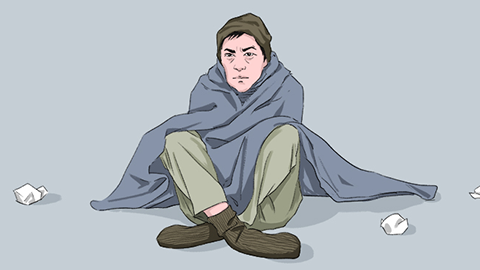
1. Muscle fatigue caused by systemic symptoms: During an upper respiratory tract infection, the body's immune system uses significant energy to fight the virus, leading to general fatigue and weakness. As part of the body, the legs can also be affected, causing soreness. Bed rest and reduced physical activity are recommended to alleviate the muscular burden.
2. Fluid and electrolyte imbalance: During an upper respiratory infection, symptoms such as fever and runny nose may lead to fluid loss and disruption of electrolyte balance. This imbalance can cause muscle fatigue and soreness, particularly in the calves. Drinking plenty of water to replenish lost fluids and consuming electrolyte-rich foods such as bananas and seaweed may help alleviate symptoms.
3. Lactic acid buildup: If a cold is not promptly treated, body temperature may rise, increasing the metabolic rate of muscle tissue. This leads to increased production of lactic acid, which accumulates in the muscles if not promptly metabolized, potentially causing leg muscle cramps and soreness. Medications such as Shujin Huoxue Pian (muscle relaxant and blood circulation promoter), Sanqi Pian (blood circulation promoter), and Ibuprofen Sustained-release Capsules (anti-inflammatory) may be used according to medical advice.
4. Viral myositis: Some viruses may directly attack muscle tissue after infection, causing viral myositis. This condition results in inflammation and damage to muscle cells, causing pain and weakness, particularly in the calf muscles. Antiviral medications such as Ribavirin Tablets, Oseltamivir Phosphate Capsules, and Valacyclovir Hydrochloride Tablets may be used under medical guidance.
5. Reactive arthritis following streptococcal infection: Some patients with colds may develop a secondary streptococcal infection. Reactive arthritis may occur afterward, which is a type of aseptic inflammation causing pain, swelling, and possibly joint effusion in the joints and surrounding tissues. Medications such as Penicillin V Potassium Tablets, Diclofenac Sodium Sustained-release Tablets, and Celecoxib Capsules may be used as directed by a physician for anti-inflammatory effects.
During treatment, comprehensive analysis of each patient's specific condition is essential to develop an individualized treatment plan. Additionally, patient education and self-management should be emphasized.
References:
[1] Ge Junbo, Xu Yongjian, Wang Chen. Internal Medicine [M]. 9th Edition. Beijing: People's Medical Publishing House, 2018.
[2] Wang Yuming, Li Mengdong. Practical Infectious Diseases [M]. 5th Edition. Beijing: People's Medical Publishing House, 2017.


