


Can Bai Shao (white peony root) and Shu Di Huang (prepared rehmannia root) stop bleeding?
Apr 16, 2025
Source: Cainiu Health

Dr. Zhang Xiuhong
Introduction
White peony root (Bai Shao) has functions of nourishing blood, consolidating yin, softening the liver, and relieving pain, whereas prepared rehmannia root (Shu Di Huang) primarily nourishes yin and enriches blood. When used together, these two herbs may help regulate mild bleeding symptoms caused by blood deficiency or yin deficiency, such as menorrhagia and epistaxis. This herbal combination may aid in alleviating chronic bleeding issues by improving constitutional weakness and regulating blood circulation. However, its effect is relatively mild and prolonged usage is required to achieve noticeable results.
Bai Shao (white peony root) and Shu Di Huang (prepared rehmannia root) may assist in stopping bleeding according to medical advice, but they are not recommended as the primary method for止血 in cases of acute bleeding or when the cause is unknown. If abnormalities occur, timely medical consultation is advised. Detailed analysis is as follows:
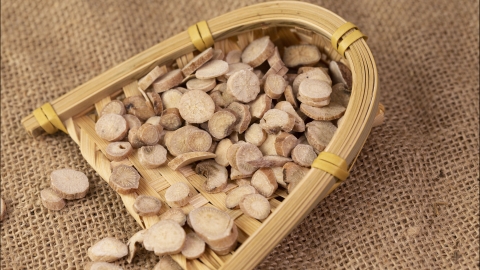
Bai Shao has functions of nourishing blood, consolidating yin, and relieving pain by softening the liver, while Shu Di Huang mainly nourishes yin and enriches blood. When used together, these herbs might help regulate mild bleeding symptoms caused by blood deficiency or yin deficiency, such as excessive menstrual bleeding or nosebleeds. This combination may alleviate chronic bleeding problems by improving physical weakness and regulating blood circulation, but its effect is relatively mild and requires long-term use to become noticeable. If the bleeding symptoms are mild and clearly caused by a deficiency constitution, they may be used in appropriate amounts under a doctor's guidance.
However, Bai Shao and Shu Di Huang alone should not be solely relied upon to stop bleeding in cases of acute bleeding or when the cause is unclear. Acute bleeding situations, such as trauma, gastrointestinal hemorrhage, or dysfunctional uterine bleeding, require prompt targeted treatment. Relying only on these two herbs may delay appropriate medical care. Additionally, if bleeding is caused by damp-heat, blood stasis, or other excess conditions, the nourishing properties of Bai Shao and Shu Di Huang may worsen the condition and increase discomfort.
At the same time, maintaining healthy lifestyle habits and avoiding excessive fatigue and emotional fluctuations can help reduce the risk of bleeding.






