How long is pressure dressing usually applied?
Nov 25, 2025
Source: Cainiu Health

Dr. Liu Wenmin
Introduction
For general wound hemostasis (e.g., abrasions, minor cuts), after applying pressure until bleeding stops, maintain compression for an additional 1–2 hours. Monitor the skin color at the site during this period to ensure there are no signs of ischemia such as discoloration or numbness. Afterwards, gradually loosen the bandage and switch to a loose covering to avoid prolonged pressure that may impair blood circulation.
Generally, the duration of pressure dressing should be adjusted according to its purpose. For controlling bleeding from minor injuries, it should be maintained for 1–2 hours after hemostasis; for postoperative care or special conditions, it may need to be sustained for 6–24 hours. If in doubt, it is recommended to seek medical advice promptly. Detailed analysis is as follows:
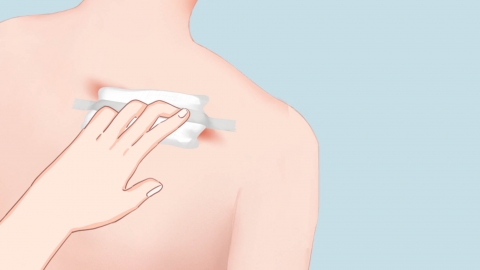
If used for controlling bleeding from minor trauma (e.g., abrasions or small cuts), maintain pressure until bleeding stops, then continue applying pressure for an additional 1–2 hours. During this time, monitor the skin color at the site to ensure there are no signs of ischemia such as bluish discoloration or numbness. Afterwards, gradually loosen the dressing and switch to a loose cover to avoid prolonged pressure that might impair blood circulation.
If used for postoperative wound protection (e.g., after surgical suturing) or swelling control (e.g., during the initial phase of a sprain), the dressing should be maintained for 6–24 hours as directed by a physician. In some cases, this may be extended up to 48 hours. The wound should be checked regularly during this period for any fluid leakage or loosening of the dressing. If increased swelling or worsening pain occurs, adjust the tightness of the dressing promptly.
When applying pressure dressing, control the pressure appropriately—ideally allowing one finger to fit underneath. Avoid using excessively tight dressings that could compress blood vessels or nerves. For long-term compression, follow medical instructions for regular dressing changes, and discontinue use immediately and seek medical attention if any skin abnormalities or discomfort occur.