


Is Scrophularia the same as Ophiopogon?
Apr 27, 2025
Source: Cainiu Health

Dr. Zhang Xiuhong
Introduction
Under normal circumstances, Scrophularia (Xuan Shen) is not Ophiopogon (Mai Dong). Although both are traditional Chinese medicinal materials and share some similar functions, they differ in botanical origin, property and flavor, functional emphasis, and clinical applications. Scrophularia belongs to the Scrophulariaceae family and primarily functions to clear heat and detoxify, nourish yin to reduce fire, and soothe the throat and reduce swelling. Ophiopogon belongs to the Liliaceae family and mainly functions to nourish yin and promote body fluid production, moisten the lungs to relieve cough, and clear the heart to alleviate irritability.
Generally speaking, Scrophularia (Xuan Shen) is not Ophiopogon (Mai Dong). Although both are traditional Chinese medicinal materials and share some similar properties and effects, they differ in botanical origin, flavor and channel tropism, therapeutic focus, and clinical applications. A detailed analysis is as follows:
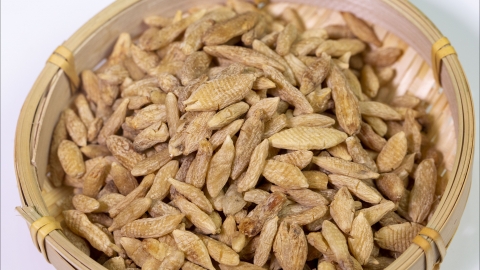
Scrophularia belongs to the Scrophulariaceae family and primarily functions to clear heat and detoxify, nourish yin to reduce fire, and relieve sore throat and swelling. It is commonly used to treat symptoms such as sore throat, dry mouth and tongue, and red, swollen, painful eyes. Ophiopogon belongs to the Liliaceae family and mainly functions to nourish yin and produce body fluids, moisten the lungs to relieve cough, and clear the heart to alleviate irritability. It is suitable for treating symptoms such as dry cough due to lung heat, irritability with insomnia, internal heat with excessive thirst, and others. Scrophularia is primarily used for febrile diseases, pathogenic heat in the qi level, high fever with thirst, red or purplish tongue, and reduced body fluids. Ophiopogon is mainly used for dry cough due to lung dryness, paroxysmal cough with sticky phlegm, throat pain, obstruction syndrome of the throat, body-fluid damage caused by heat-related diseases, irritability and insomnia, internal heat with excessive thirst, and yin deficiency-related chronic cough.
Scrophularia is commonly processed by decoction—for example, by boiling an appropriate amount in water and then drinking the liquid once it has cooled to a suitable temperature. Scrophularia can also be steeped in hot water and consumed, which can nourish yin, detoxify, and reduce internal heat. Ophiopogon can be decocted and taken internally, crushed and consumed for its juice, or ground into powder and swallowed. When combined with Schisandra berries (Wu Wei Zi) for steeping, Ophiopogon can also nourish yin and boost qi.
Although Scrophularia and Ophiopogon have their own medicinal effects, they can complement each other under certain circumstances and achieve better therapeutic results. However, due to differences in their effects and indications, they should not be regarded as the same herb or used interchangeably. Although both can clear heat and nourish yin, Scrophularia primarily functions to "clear heat, cool the blood, detoxify, and resolve nodules," while Ophiopogon mainly functions to "nourish yin, produce body fluids, moisten the lungs, and clear the heart." These two herbs must be strictly differentiated in their usage.


