


Can dried tangerine peel be steeped with Ophiopogon japonicus (McDoor)?
Apr 29, 2025
Source: Cainiu Health

Dr. Zhang Xiuhong
Introduction
Under normal circumstances, dried tangerine peel (Chenpi) can be steeped with Ophiopogon root (Maidong). Chenpi is warm in nature, with a pungent and bitter taste, and functions to regulate qi, strengthen the spleen, dry dampness, and resolve phlegm. Maidong has a sweet and slightly bitter taste and is slightly cold in nature; it enters the heart, lung, and stomach meridians, and possesses effects of nourishing yin, promoting body fluid production, moistening the lungs, and clearing the heart. When used together, these two ingredients can harmonize cold and heat, simultaneously nourishing yin and regulating qi. This combination is suitable for consumption by individuals experiencing symptoms such as spleen and stomach weakness, indigestion, dry mouth, and throat dryness.
Generally, tangerine peel can be steeped with Ophiopogon japonicus (McDoor), but it should be consumed in appropriate amounts under the guidance of a physician. The specific analysis is as follows:
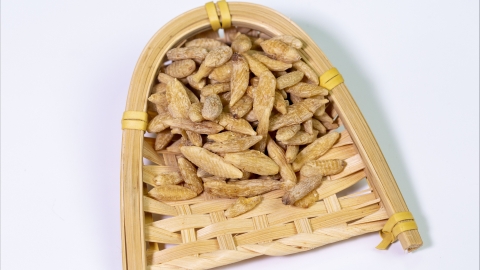
Tangerine peel is warm in nature, with a pungent and bitter taste, and has the functions of regulating qi, strengthening the spleen, drying dampness, and resolving phlegm. Ophiopogon japonicus is sweet and slightly bitter in taste, slightly cold in nature, and enters the heart, lung, and stomach meridians, possessing effects of nourishing yin, promoting body fluid production, moistening the lungs, and clearing the heart. When used together, they can harmonize heat and cold, nourishing yin while regulating qi, making them suitable for consumption by individuals experiencing symptoms such as spleen and stomach weakness, indigestion, dry mouth, and thirst.
However, improper dosage may affect efficacy or trigger adverse reactions. For example, excessive use of tangerine peel may cause depletion of qi and damage to yin. Overuse of Ophiopogon japonicus may impair the spleen and stomach's yang energy, causing gastrointestinal discomfort symptoms such as abdominal pain and diarrhea. It is recommended to consult a traditional Chinese medicine practitioner before use, and choose suitable herbal combinations based on individual constitution and health status, to ensure effectiveness and safety.
During the period of consuming tangerine peel and Ophiopogon japonicus infusion, it is recommended to maintain good dietary habits and avoid spicy and irritating foods such as pepper and chili, which can help alleviate symptoms.





