


Can Rehmannia glutinosa and Ophiopogon japonicus be used to treat acne?
Apr 29, 2025
Source: Cainiu Health

Dr. Liu Wenmin
Introduction
Sheng Di refers to Rehmannia glutinosa (raw), and "doudou" refers to acne. Under normal circumstances, Rehmannia glutinosa (raw) and Ophiopogon japonicus can assist in treating acne, but their effectiveness is limited. It is recommended to use them properly under a physician's guidance. Both herbs have certain heat-clearing properties, help eliminate toxins from the body, and may provide auxiliary improvement for acne caused by internal heat and toxin accumulation.
Raw rehmannia refers to the raw form of rehmannia root, and "dou hua" refers to acne. Under normal circumstances, raw rehmannia and dwarf lilyturf root can assist in treating acne, but their effectiveness is limited. It is recommended to use them properly under medical guidance. Detailed explanation is as follows:
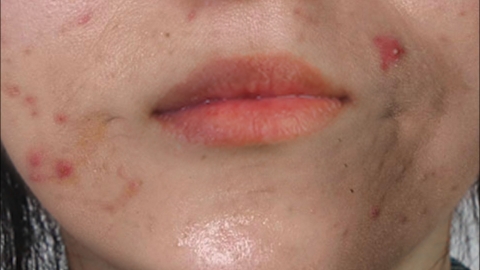
Dwarf lilyturf root has the functions of nourishing yin, promoting body fluid production, moistening the lungs, and clearing the heart. Raw rehmannia can clear heat, cool the blood, and also nourish yin and promote body fluid production. Both ingredients have heat-clearing properties and, when used together, can help regulate the body's condition to some extent—for example, by moistening the intestines and promoting bowel movement or nourishing yin to moisten the lungs—thus aiding in the elimination of toxins from the body. When the internal environment of the body improves, such as smoother bowel movements and reduced internal heat, it can provide some auxiliary improvement for acne caused by internal heat and toxin accumulation.
However, raw rehmannia and dwarf lilyturf root are not specifically intended for treating acne. Acne development is associated with multiple factors, such as diet, sleep, and endocrine function. Relying solely on raw rehmannia and dwarf lilyturf root for acne treatment is unrealistic. Therefore, before using any traditional Chinese medicine (TCM) to treat acne, one should consult a qualified TCM practitioner or dermatologist to identify individual body constitution and analyze the underlying causes, ensuring the safety and effectiveness of the treatment method.
In daily life, it is recommended to maintain healthy lifestyle habits, such as eating a balanced diet, getting sufficient sleep, and engaging in moderate exercise, which can also help prevent and manage acne.





