


Can chewing kudzu root cause oral fibrosis?
Apr 30, 2025
Source: Cainiu Health

Dr. Zhang Xiuhong
Introduction
Under normal circumstances, chewing kudzu root does not cause oral fibrosis. Kudzu root is a traditional Chinese herb with fine fibers that are not sticky or sharp, thus not causing rough mechanical irritation to the oral mucosa. In addition, kudzu root has certain health benefits, such as relieving muscle tension and fever, promoting saliva production to relieve thirst, raising yang energy, and stopping diarrhea, and it may also help repair the oral mucosa.
Generally speaking, chewing kudzu root does not lead to oral fibrosis. Detailed analysis is as follows:
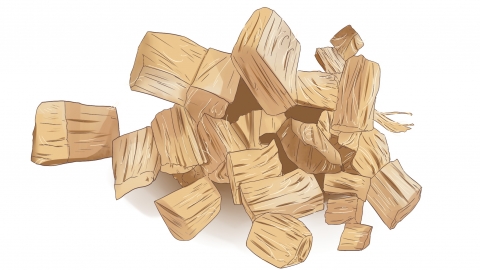
Kudzu root is a traditional Chinese medicine; its fibers are relatively fine, non-adherent to the mouth, and do not cause irritation, thus not causing aggressive mechanical irritation to the oral mucosa. Additionally, kudzu root has certain health benefits, such as relieving muscle fever, promoting salivation and relieving thirst, raising yang energy to stop diarrhea, and also has some repairing effects on the oral mucosa. Excessive chewing or allergic reactions to components in kudzu root may cause discomfort to the oral mucosa, but this is fundamentally different from oral fibrosis.
Oral fibrosis, especially oral submucous fibrosis, is mainly caused by long-term betel nut chewing, tobacco use, and poor oral hygiene. Long-term betel nut chewing is the primary cause of oral fibrosis; the coarse fibers and arecoline in betel nuts can damage the oral mucosa. Kudzu root does not contain harmful substances found in betel nuts, and its fibers are fine and will not cause oral fibrosis.
In daily life, it is recommended to maintain good oral hygiene, brush teeth in the morning and evening, rinse after meals, and avoid bad habits such as smoking, drinking alcohol, and chewing betel nuts.





