


Is it necessary to treat hydrosalpinx before in vitro fertilization (IVF)?
May 08, 2025
Source: Cainiu Health

Dr. Zhang Lu
Introduction
In general, in vitro fertilization (IVF) refers to in vitro fertilization - embryo transfer (IVF-ET). Whether hydrosalpinx needs to be treated before IVF-ET depends on the specific circumstances. If the hydrosalpinx is mild, treatment is usually not necessary; however, if the condition is severe, treatment is required. Patients should maintain a positive mindset and actively cooperate with their doctor's treatment and recommendations.
Generally, "test-tube baby" refers to in vitro fertilization and embryo transfer (IVF-ET). Whether hydrosalpinx needs treatment before IVF-ET depends on the specific circumstances. If the hydrosalpinx is mild, treatment usually isn't necessary; however, if the condition is severe, treatment is required. If there are concerns, it is recommended to promptly visit a hospital for relevant examinations. Detailed analysis is as follows:
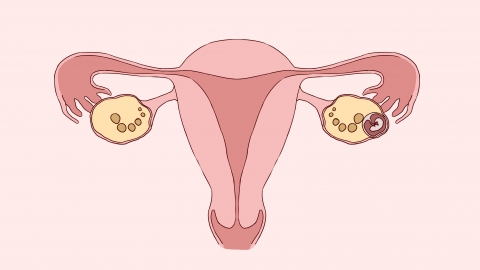
Hydrosalpinx is a gynecological condition characterized by fluid accumulation and dilation of the fallopian tubes, often appearing sausage-like or beaded in appearance, caused by factors such as salpingitis. If the hydrosalpinx is mild and there is no reflux into the uterine cavity or significant impact on the embryo, immediate treatment may not be necessary. However, thorough evaluation and judgment by a physician are required.
However, if the hydrosalpinx is severe, it may reflux into the uterine cavity, affect embryo implantation, and exert toxic effects on the embryos. Additionally, the accumulation of fluid might reduce endometrial receptivity, further affecting the success rate of IVF-ET. In such cases, it is advisable to treat the hydrosalpinx before undergoing IVF-ET. Treatment under a physician's guidance may involve medications such as isoniazid tablets, rifampin capsules, and ceftriaxone sodium for injection.
Patients should maintain a positive mindset and actively cooperate with their physician's treatment recommendations and advice to improve the success rate of IVF-ET.




