


Causes and Solutions for Acne on the Chest and Back
May 10, 2025
Source: Cainiu Health

Dr. Liu Wenmin
Introduction
During puberty, increased levels of androgens in the body stimulate excessive sebum production by the sebaceous glands, leading to clogged hair follicles and the development of acne. Symptoms include the appearance of comedones, papules, and other skin lesions on the chest and back. It is important to maintain skin cleanliness by using mild facial cleansers and avoiding excessive cleansing. Additionally, reducing consumption of spicy, oily, and sweet foods is recommended. Acne typically improves gradually with age.
Acne refers to pimples. Acne on the chest and back may be caused by hormonal changes during puberty, stress and emotional factors, seborrheic dermatitis, folliculitis, polycystic ovary syndrome, and other conditions. It can be improved through daily lifestyle adjustments and medical treatments. It is recommended to seek timely medical attention and follow the guidance of a doctor for treatment.
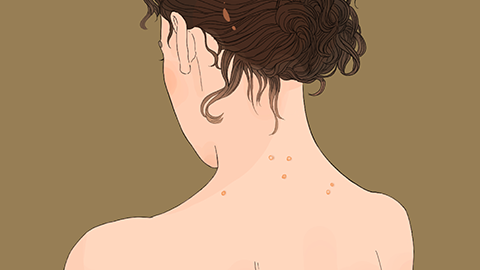
1. Hormonal changes during puberty: During puberty, elevated androgen levels in the body stimulate excessive sebum production by sebaceous glands, leading to clogged pores and subsequent acne. Symptoms include the appearance of comedones and papules on the chest and back. Maintain good skin hygiene by using gentle facial cleansers and avoid over-cleansing. Limit consumption of spicy, greasy, and sweet foods. Symptoms generally improve with age.
2. Stress and emotional factors: Prolonged mental stress and emotional instability can affect the endocrine system, causing dysfunction of sebaceous gland secretion and triggering acne. Common manifestations include inflammatory papules and pustules on the chest and back, with symptoms worsening during periods of high stress. Maintain a positive mindset, relieve stress through activities like exercise or listening to music, maintain regular sleep patterns, and ensure sufficient rest.
3. Seborrheic dermatitis: Overactive sebaceous glands produce excessive sebum, leading to microbial imbalance on the skin surface and resulting in inflammation and acne-like skin lesions. Symptoms include oily skin on the chest and back accompanied by redness, flaking, and itching. Under a doctor's guidance, patients can use medications such as ketoconazole cream, tacrolimus ointment, and vitamin B6 tablets to reduce inflammation.
4. Folliculitis: Caused by Malassezia infection, this fungus proliferates in hot and humid environments, invading hair follicles and causing inflammation. Symptoms include dome-shaped papules with red halos on the chest and back, often accompanied by itching. It is recommended to use antifungal medications such as bifonazole cream, terbinafine spray, and itraconazole capsules under the guidance of a physician to reduce inflammation.
5. Polycystic ovary syndrome: Due to endocrine and metabolic abnormalities, relative or absolute elevation of androgen levels increases sebaceous gland secretion, leading to acne. Symptoms include acne on the chest and back, as well as possible additional manifestations such as menstrual irregularities and hirsutism. Follow medical advice to use medications such as ethinyl estradiol cyproterone acetate tablets, metformin hydrochloride tablets, and spironolactone tablets to alleviate acne symptoms.
It is recommended to maintain proper skin care and keep the skin clean and dry. In daily dietary habits, maintaining a balanced diet and diverse food intake can help sustain overall health.





