How to Eat Brown Rice to Treat Constipation
May 13, 2025
Source: Cainiu Health

Dr. Shen Yonghua
Introduction
Brown rice is rich in dietary fiber, and moderate consumption can help promote intestinal motility and improve symptoms of constipation. It can typically be prepared as brown rice porridge, brown rice gruel, brown rice cooked with vegetables, brown rice balls, or brown rice soup. When consuming brown rice to alleviate constipation, it is important to ensure adequate water intake, as dietary fiber requires ample water to function effectively.
Brown rice is rich in dietary fiber, and moderate consumption helps promote intestinal motility and improve constipation. Commonly consumed forms include brown rice soup, brown rice balls, brown rice cooked with vegetables, brown rice porridge, and brown rice congee.
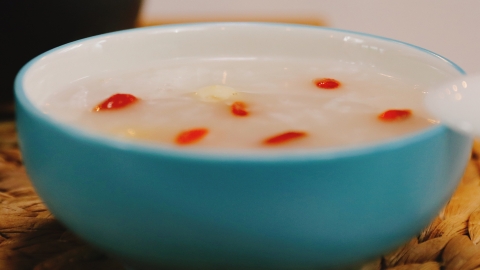
1. Brown Rice Soup: When cooking brown rice soup, part of the dietary fiber in brown rice dissolves into the soup. Drinking brown rice soup helps replenish moisture in the intestines, making the intestinal environment more humid and facilitating bowel movements. Additionally, brown rice soup has a nourishing effect on the stomach and spleen, which can help alleviate constipation.
2. Brown Rice Balls: Forming brown rice into rice balls makes it convenient to eat. During preparation, you can add some oil-rich ingredients such as sesame seeds or olive oil. The oil helps lubricate the intestines, reducing resistance to fecal movement. The dietary fiber in brown rice combined with oil helps promote smooth bowel movements.
3. Brown Rice Cooked with Vegetables: Add brown rice when cooking rice and pair it with a variety of vegetables such as broccoli and spinach. The dietary fiber in brown rice helps increase stool bulk, while the water and fiber from vegetables further soften the stool and stimulate intestinal motility.
4. Brown Rice Porridge: Consuming brown rice in porridge form allows for better absorption of its nutrients. The fine texture of the porridge makes it suitable for individuals with weaker gastrointestinal function. The dietary fiber in brown rice remains effective even in porridge form, helping to clean the intestines and promote bowel movements.
5. Brown Rice Congee: Cooking brown rice into congee is a common and effective method. After prolonged cooking, the dietary fiber in brown rice becomes fully softened and can absorb significant amounts of water in the intestine, making the stool softer and increasing its volume. This stimulates intestinal motility and promotes defecation.
When consuming brown rice to improve constipation, it is important to ensure adequate water intake, as dietary fiber requires sufficient water to function effectively. Additionally, the amount of brown rice consumed should be gradually increased to avoid gastrointestinal discomfort caused by excessive intake at once. If constipation is severe or persists, it is advisable to seek timely medical attention to rule out the possibility of other underlying diseases.