How to treat dyshidrotic eczema for a complete cure
May 20, 2025
Source: Cainiu Health

Dr. Liu Wenmin
Introduction
Long-term mental states characterized by tension, anxiety, and high stress may affect the neuroendocrine system, leading to dysfunction of the sweat and sebaceous glands in the skin and triggering pompholyx. Anxiety and emotional tension can be improved through activities such as listening to music and exercising. Maintaining a regular作息 (routine) and ensuring adequate sleep are also important treatment approaches.
Generally speaking, there is no concept of a radical cure for dyshidrotic eczema. Dyshidrotic eczema may be caused by excessive sweating, mental factors, contact dermatitis, dermatophyte infection, gastrointestinal dysfunction, and other factors. General treatments and medication can help improve the condition. Prompt medical attention and following the doctor's instructions for treatment are necessary. The specific details are as follows:
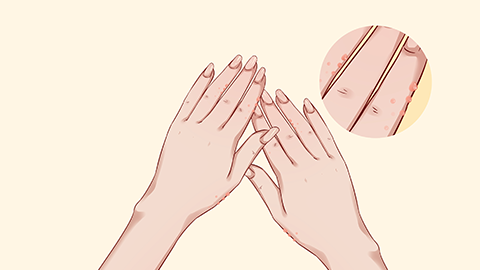
1. Excessive sweating: When the body sweats excessively, sweat ducts may become blocked, preventing sweat from being discharged properly, leading to sweat accumulation within the ducts and formation of dyshidrotic eczema. Skin can be wiped with normal saline or warm water to help alleviate sweat duct blockage. Keeping the skin dry and clean and avoiding excessive sweating are also important.
2. Mental factors: Long-term tension, anxiety, and high stress levels may affect the neuroendocrine system, causing dysfunction of the sweat and sebaceous glands, which can trigger dyshidrotic eczema. Listening to music, exercising, and other methods can help relieve anxiety and emotional tension. Maintaining a regular sleep schedule and ensuring adequate sleep are also important treatment approaches.
3. Contact dermatitis: When the body comes into contact with allergens such as metals, detergents, or spices, these allergens can irritate the skin, triggering immune reactions and inflammation that lead to dyshidrotic eczema and red patches at the contact site. Antiallergic and antipruritic treatments, such as loratadine tablets, cetirizine hydrochloride oral solution, and hydrocortisone cream, can be used under a doctor's guidance.
4. Dermatophyte infection: Dermatophyte infection is another common pathological cause of dyshidrotic eczema. Fungi can invade the stratum corneum of the skin, damaging the skin barrier function and causing inflammatory reactions and dyshidrotic eczema with papules. Antifungal medications such as compound ketoconazole cream, clotrimazole cream, and miconazole nitrate cream can be used under medical supervision.
5. Gastrointestinal dysfunction: Gastrointestinal dysfunction may affect nutrient absorption and metabolism in the body, leading to toxin accumulation and reduced immunity. These factors may indirectly affect skin health, inducing dyshidrotic eczema, often accompanied by indigestion. Medications such as omeprazole enteric-coated capsules, rabeprazole sodium enteric-coated tablets, and lansoprazole enteric-coated tablets can be used under a doctor's guidance to inhibit gastric acid secretion.
Maintaining a healthy lifestyle and good dietary habits in daily life can help prevent the occurrence of dyshidrotic eczema.