


The causes of sweat blisters on the hands
Mar 18, 2025
Source: Cainiu Health

Dr. Liu Wenmin
Introduction
Under normal circumstances, possible causes of dyshidrotic eczema on the hands may include environmental factors, psychological factors, abnormal hormone levels, contact dermatitis, and dermatophyte infections. Prolonged exposure to humid, hot environments or frequent contact with irritants such as water and detergents may damage the skin barrier function of the hands, preventing sweat from being excreted properly and thus triggering dyshidrotic eczema.
In general, possible causes of dyshidrotic eczema on the hands may include environmental factors, psychological factors, abnormal hormone levels, contact dermatitis, and dermatophyte infections. Prompt medical attention is advised, and treatment should be administered according to medical guidance. Detailed information is as follows:
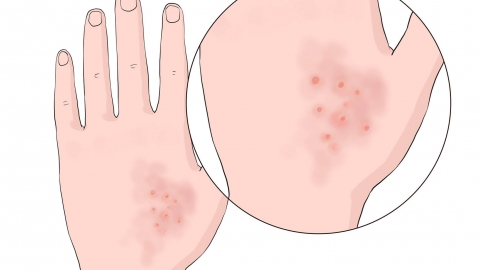
1. Environmental factors: Prolonged exposure to humid or hot environments, or frequent contact with water, detergents, and other irritating substances, may damage the skin barrier function of the hands, preventing sweat from being excreted normally and thus triggering dyshidrotic eczema. It is important to keep the skin on the hands dry and clean, and avoid contact with irritants.
2. Psychological factors: Long-term mental tension, anxiety, or excessive fatigue may lead to autonomic nervous system dysfunction, thereby affecting the normal secretory function of sweat glands, causing sweat to accumulate within the skin, which may trigger dyshidrotic eczema. Maintaining a good emotional state and avoiding excessive mental stress is recommended. Psychological counseling and treatment from a mental health professional may be beneficial.
3. Abnormal hormone levels: Hormonal fluctuations may lead to abnormal immune responses, which can in turn cause dyshidrotic eczema. For example, women may be more prone to develop dyshidrotic eczema during physiological stages such as menstruation, pregnancy, or menopause due to changes in hormone levels. This may also be accompanied by menstrual disorders. Treatment according to medical advice with medications such as prednisone acetate tablets, methylprednisolone tablets, and mifepristone tablets may be prescribed to achieve anti-inflammatory effects and regulate sex hormone secretion.
4. Contact dermatitis: Contact of the hands with allergens such as pollen, dust mites, nickel, cobalt, and other heavy metals may trigger allergic reactions, leading to skin inflammation and the occurrence of dyshidrotic eczema, which may also be accompanied by itching. Treatment according to medical advice with medications such as calamine lotion, mupirocin ointment, and clobetasol propionate cream may be used for anti-inflammatory and antipruritic effects.
5. Dermatophyte infection: The proliferation of fungi on the skin surface may trigger localized inflammatory responses, leading to the appearance of dyshidrotic eczema. Particularly when the skin on the hands is damaged, fungi can more easily invade and cause infection, resulting in blisters on the hands. Antifungal treatment under medical guidance using medications such as compound ketoconazole ointment, triamcinolone acetonide and econazole cream, and naftifine ketoconazole cream should be administered.
During treatment, maintaining good lifestyle habits and emotional well-being, as well as avoiding contact with irritants and allergens, is important to prevent the occurrence of dyshidrotic eczema.
References:
1. Zhang Xuejun. Dermatology and Venereology [M]. 9th Edition. Beijing: People's Medical Publishing House, 2018



