


What is the normal value for fasting blood glucose?
May 22, 2025
Source: Cainiu Health

Dr. Liu Feng
Introduction
Under normal circumstances, the normal range for fasting blood glucose is 3.9 to 6.9 mmol/L. If discomfort symptoms occur, it is recommended to seek timely medical consultation and treatment at a reputable hospital. Some special situations may also lead to elevated fasting blood glucose levels, such as consuming high-sugar foods, emotional excitement, or vigorous exercise. Therefore, when interpreting fasting blood glucose values, individual circumstances and medical advice should be comprehensively considered.
Generally, the normal range for fasting blood glucose is 3.9–6.9 mmol/L. If discomfort symptoms occur, it is recommended to seek timely medical consultation and treatment at a formal hospital. Detailed analysis is as follows:
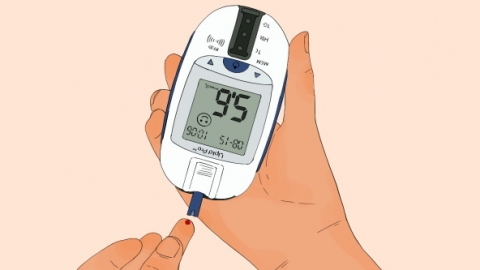
The normal range for fasting blood glucose is typically 3.9–6.1 mmol/L. This generally reflects the blood glucose level after at least 8 hours without food intake. If the measurement falls within this range and there are no symptoms of diabetes, such as excessive thirst, frequent urination, or weight loss, it usually indicates normal glucose metabolism requiring no special intervention. If the test results approach or exceed the normal range, particularly when fasting blood glucose is ≥6.1 mmol/L but <7.0 mmol/L, it may suggest impaired fasting glucose. When levels are ≥7.0 mmol/L accompanied by symptoms like excessive thirst, increased appetite, frequent urination, or weight loss, diabetes should be suspected, and prompt medical attention is advised. Further diagnosis should include tests such as postprandial blood glucose and glycated hemoglobin (HbA1c).
Certain special situations may also lead to elevated fasting blood glucose levels, such as consumption of high-sugar foods, emotional stress, or intense physical activity. Therefore, when interpreting fasting blood glucose values, individual circumstances and medical advice should be taken into comprehensive consideration.



