


Normal fasting blood glucose level
May 24, 2025
Source: Cainiu Health

Dr. Liu Feng
Introduction
Measure fasting blood glucose; an 8-12 hour fast is required before testing, during which small amounts of water may be consumed, but no caloric foods or beverages may be ingested. After getting up in the morning, collect venous or finger-prick blood while in a state of rest and emotional stability, without engaging in strenuous activity. The normal range for fasting blood glucose is typically 3.9-6.1 mmol/L, indicating normal insulin secretion in the body.
The normal range for fasting blood glucose is 3.9-6.1 mmol/L. If fasting blood glucose is between 6.1-7.0 mmol/L, it indicates impaired fasting glucose. A level exceeding 7.0 mmol/L, accompanied by symptoms of diabetes, may meet the diagnostic criteria for diabetes.
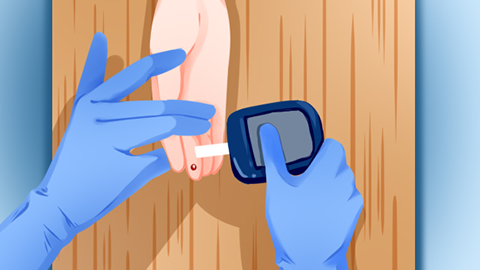
When measuring fasting blood glucose, patients should fast for 8-12 hours prior to testing, during which small amounts of water are allowed, but no consumption of any caloric food or beverages. After getting up in the morning, venous or finger-prick blood samples should be collected while the body is in a resting state without engaging in vigorous activity or experiencing emotional fluctuations. The normal range of fasting blood glucose is generally 3.9-6.1 mmol/L, indicating good insulin secretion and liver glycogen metabolism function, which helps maintain normal body function.
Blood glucose control should be approached comprehensively, including reducing intake of refined sugars and high glycemic index (GI) foods such as white rice and white flour, and increasing consumption of whole grains like oats and brown rice. Each meal should include sufficient leafy vegetables to ensure adequate dietary fiber intake. At least 150 minutes of moderate-intensity aerobic exercise per week, such as brisk walking or swimming, can enhance insulin sensitivity. Combining strength training to increase muscle mass and improve basal metabolic rate also helps in glucose consumption.
Diabetic patients must strictly follow medical advice regarding the use of hypoglycemic drugs or insulin injections, regularly monitor blood glucose levels, and adjust medication dosage and type according to test results. Never discontinue or alter medication dosage without medical consultation.



