


Fruits Suitable for Consumption with High Blood Sugar
May 22, 2025
Source: Cainiu Health

Dr. Liu Feng
Introduction
Apples are rich in pectin, which can delay sugar absorption and help regulate blood glucose fluctuations. Their glycemic index is approximately 36, classifying them as a low-GI fruit. It is recommended to consume half to one apple daily (about 100-150 grams). Apples can be eaten between meals, for example at 10 a.m. or 3 p.m., to avoid a rapid increase in blood sugar that could occur if consumed together with staple foods. Be sure to wash the apple thoroughly and eat it with the skin, as the skin contains more nutrients.
Fruits suitable for consumption with high blood sugar generally include apples, grapefruits, strawberries, blueberries, and guavas.
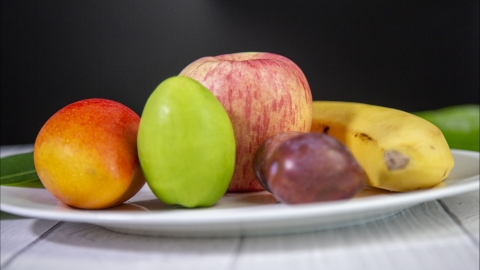
1. Apples
Apples are rich in pectin, which can delay sugar absorption and help regulate blood glucose fluctuations. Their glycemic index (GI) is approximately 36, categorizing them as a low-GI fruit. It is recommended to consume half to one apple daily (about 100-150 grams), preferably between meals, such as at 10 a.m. or 3 p.m., to avoid eating them with staple foods that may cause a sudden rise in blood sugar. It is advisable to wash and eat the apple with its skin (as the skin contains more nutrients), although individuals with sensitive digestive systems may prefer to peel it.
2. Grapefruit
Grapefruit has a low sugar content and contains chromium, which enhances insulin activity and helps regulate blood glucose. Its GI value is approximately 25, making it a low-GI fruit. It is recommended to consume one-quarter to one-third of a grapefruit per serving, either alone or as freshly squeezed juice. Note that during medication (e.g., antihypertensive or lipid-lowering drugs), grapefruit should be consumed at least two hours apart from the medication to avoid potential drug interactions.
3. Strawberries
Strawberries are low in calories and rich in vitamin C, anthocyanins, and dietary fiber, which can improve insulin sensitivity. Their GI value is approximately 41, categorizing them as a low-GI fruit. It is recommended to consume 10-15 strawberries per serving, either directly or paired with sugar-free yogurt to increase satiety while avoiding blood sugar fluctuations. Choose fresh strawberries, rinse thoroughly, and drain well to avoid excessive soaking, which may lead to nutrient loss.
4. Blueberries
Blueberries are rich in anthocyanins and polyphenols, which have antioxidant properties that protect pancreatic cells and slow down glucose absorption. Their GI value is approximately 53, categorizing them as a medium-to-low GI fruit. The recommended daily intake is half a cup, which can be eaten directly or mixed with oats, along with a small amount of nuts to enhance flavor. Avoid purchasing blueberry products with added sugars, such as dried blueberries or jam, and prioritize fresh or frozen blueberries.
5. Guava
Guava is rich in B vitamins, vitamin C, and dietary fiber, with a sugar content of only about 5.8%, resulting in a slower glycemic response. Its GI value is approximately 31, making it a low-GI fruit. It is recommended to consume one-quarter to half a guava per serving, either directly or as freshly squeezed juice. The "tannins" present in the pulp may cause constipation; therefore, it is advisable to consume it with warm water, and the daily intake should not exceed 200 grams to avoid increasing the gastrointestinal burden.
When choosing fruits, individuals with high blood sugar should prioritize those that are low in sugar, high in fiber, and rich in nutrients. Pay attention to portion control and preferably consume fruits as snacks between meals, avoiding simultaneous intake with large amounts of carbohydrates. Diabetic patients should maintain a diet low in sugar and fat to promote overall health.




