


Can Lycium barbarum (goji berries) and soybean milk be consumed together?
Jun 03, 2025
Source: Cainiu Health

Dr. Yang Ziqi
Introduction
Under normal circumstances, goji berries and soy milk can be consumed together, but should be eaten in moderation. Goji berries are rich in various nutrients such as polysaccharides, carotenoids, vitamin C, vitamin E, B-complex vitamins, iron, zinc, selenium, and more. They possess multiple biological activities, including immune regulation, antioxidant effects, and anti-fatigue properties, and can help prevent eye diseases such as macular degeneration.
Generally speaking, goji berries and soybean milk can be consumed together, but in moderation. The detailed analysis is as follows:
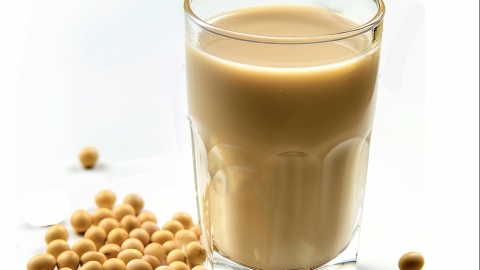
Goji berries are rich in various nutrients, including goji polysaccharides, carotenoids, vitamin C, vitamin E, B-complex vitamins, iron, zinc, selenium, and more. They have multiple biological activities such as immune regulation, antioxidant effects, and anti-fatigue properties, and can help prevent eye diseases like macular degeneration. Soybean milk is made from soybeans and contains abundant plant protein, soy isoflavones, B-complex vitamins, calcium, phosphorus, iron, potassium, and other nutrients. It aids in tissue repair and growth in the body, benefits women's health, and can help alleviate menopausal symptoms and prevent osteoporosis.
Vitamin C in goji berries can enhance the absorption of minerals like iron from soybean milk, improving iron utilization and helping prevent iron-deficiency anemia. The antioxidant components in both can work together to strengthen the body's antioxidant capacity, reduce cellular damage caused by free radicals, and delay aging. However, moderation is important. Goji berries are warming in nature, and excessive consumption may cause heatiness, leading to symptoms such as sore throat, mouth ulcers, or nosebleeds. Soybean milk contains a certain amount of oligosaccharides; excessive consumption may cause gastrointestinal discomforts such as bloating, abdominal distension, or diarrhea.
Whether goji berries and soybean milk can be consumed together should depend on individual constitution and health conditions. When uncertain, it is recommended to consult a professional doctor or nutritionist to ensure dietary safety and health. Additionally, pay attention to your body's reactions; if discomfort occurs, consumption should be stopped immediately and medical advice sought.






