


Can rice that has turned white still be eaten?
Jun 09, 2025
Source: Cainiu Health

Dr. Yang Ziqi
Introduction
Under normal circumstances, rice that has turned white is not recommended for consumption. If the whitening of the rice grains is due to prolonged storage causing moisture loss, resulting in increased concentration and density of the rice grains (commonly known as old rice), and there are no other signs of spoilage, it can still be consumed. However, rice turning white typically occurs due to the effects of environmental humidity, temperature, and other factors during storage.
Generally speaking, rice that has turned white is not recommended for consumption. The detailed explanation is as follows:
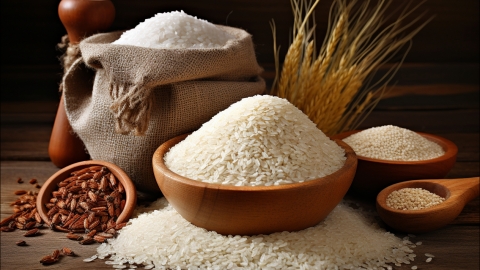
If the rice grains have turned white due to prolonged storage causing moisture loss, resulting in increased concentration and density of the rice grains—commonly known as old rice—and there are no other signs of spoilage, it may still be edible. However, rice turning white is usually caused by environmental factors such as humidity and temperature during storage, leading to gradual dissolution and loss of nutrients like vitamins B1 and B2 and minerals on the rice surface. Mold growth may also occur, making it difficult to distinguish whether the rice is safe to eat, so consumption is not recommended in such cases.
In humid environments, rice easily absorbs moisture, promoting mold growth and spread on its surface, resulting in white or other colored spots. These molds not only affect the taste and smell of rice but may also produce toxins harmful to humans, such as aflatoxins. Continued consumption could irritate the gastrointestinal tract, causing symptoms like abdominal pain and diarrhea. In severe cases, it may lead to conditions such as gastritis or enteritis. Once rice turns white, its internal nutritional components have already been damaged and cannot provide sufficient and effective nutritional support for the body.
Therefore, it is important to control the quantity and duration of rice storage, avoiding long-term storage of large quantities. Regularly inspect the rice condition and promptly identify and handle any moldy rice. Rice should be stored in a dry and well-ventilated environment, avoiding direct sunlight.


