


Can I take medication after eating Malabar spinach?
Jun 09, 2025
Source: Cainiu Health

Dr. Yu Yongchao
Introduction
In general, most medications can be taken after consuming Malabar spinach. As a vegetable, Malabar spinach is rich in vitamins and minerals, and is beneficial to human health. If there is no known interaction between the medication and Malabar spinach, and an individual's health condition allows, it is acceptable to take medication after eating Malabar spinach.
Generally speaking, whether one can take medication after consuming Malabar spinach (Basella alba) depends on the type of medication. Details are as follows:
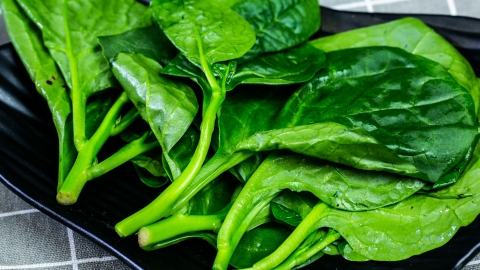
Malabar spinach is rich in dietary fiber, vitamin C, and other nutrients. Normally, moderate consumption does not interfere with the absorption of most medications. If the medication being taken does not have a known interaction with Malabar spinach—such as common cold medicines or antihypertensive drugs—and the individual does not have gastrointestinal dysfunction or a special constitution, it is generally acceptable to take the medication as directed by a physician after consuming Malabar spinach. However, attention should be paid to the interval between food intake and medication administration to avoid any impact of food on the drug's absorption rate.
Certain medications may interact with components present in Malabar spinach, thereby affecting drug efficacy. For example, Malabar spinach contains polysaccharides that have anticoagulant properties. When taken concurrently with anticoagulant medications such as warfarin sodium tablets, it may enhance the anticoagulant effect and increase the risk of bleeding. Additionally, Malabar spinach has a high potassium content, and its simultaneous use with diuretics may lead to potassium imbalance in the body. Therefore, consumption of Malabar spinach is not recommended while taking these medications.
To ensure safety, it is recommended that patients consult a doctor or pharmacist regarding dietary recommendations during medication, especially concerning foods that might affect drug effectiveness.



