
Can patients with kidney failure eat Malabar spinach?

Jun 10, 2025 Source: Cainiu Health

Dr. Yang Guang
Introduction
Whether patients with kidney failure can consume Malabar spinach mainly depends on their specific health condition. If in the early stages of kidney failure, it is generally acceptable to consume it in moderation. However, if in the advanced stages of kidney failure, it is not recommended. In daily diet, it is advised to limit protein intake to reduce the burden on the kidneys, while maintaining healthy lifestyle habits and a positive mindset to promote recovery.
Whether patients with kidney failure can consume Malabar spinach mainly depends on their specific health condition. If in the early stage of kidney failure, it is usually acceptable to consume it in moderation. However, if in the late stage of kidney failure, it is generally not recommended. Detailed explanations are as follows:
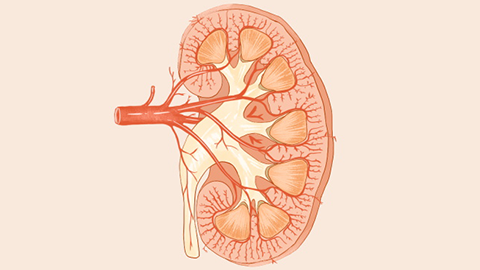

If the patient is in the early stage of kidney failure, with potassium and phosphorus levels maintained within the normal range and without complications such as hyperkalemia or hyperphosphatemia, small amounts of Malabar spinach may be consumed. Malabar spinach contains various nutrients including vitamins, proteins, and carbohydrates, and moderate consumption can help supplement necessary nutrients. Additionally, it is rich in dietary fiber, which helps promote gastrointestinal motility and alleviate constipation. However, for patients in the late stages of kidney failure or those undergoing dialysis treatment, kidney excretion function is severely impaired, potentially leading to poor potassium excretion. Malabar spinach is a high-potassium vegetable, and these patients should strictly limit or avoid its consumption to prevent hyperkalemia, which can lead to severe complications such as arrhythmia. In daily diet, it is recommended to limit protein intake to reduce the burden on the kidneys, while maintaining good living habits and a positive mindset to promote recovery.

Related Articles

View All

