


Can I eat waxberries while taking Chinese herbal medicine?
Jun 13, 2025
Source: Cainiu Health

Dr. Sun Lianqing
Introduction
If the properties of the herbal medicine are mild, there are no specific restrictions on acidic foods, and the patient is in good physical condition with normal gastrointestinal function, Chinese bayberries (Myrica rubra) can usually be consumed in moderation. For example, herbal remedies that regulate qi and blood or provide nourishing effects, such as Si Wu Tang or Ba Zhen Tang, generally will not have their therapeutic effects impacted by the consumption of Chinese bayberries if there are no special contraindications. It is recommended to maintain regular dietary habits during treatment, and dietary adjustments should follow medical advice when special circumstances arise.
Generally speaking, whether one can eat bayberries (Myrica rubra) while taking traditional Chinese medicine (TCM) should be determined based on the nature of the medication. Details are as follows:
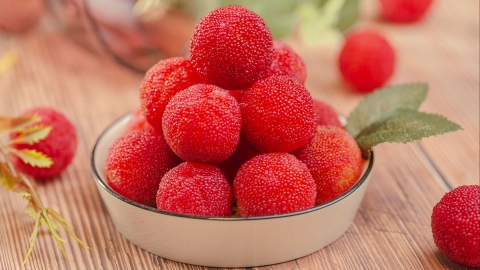
If the TCM currently being taken does not interact with bayberries—for example, nourishing types of TCM such as Si Wu Tang—and the body's constitution can tolerate the acidity of bayberries, then moderate consumption of bayberries is acceptable. Bayberries are rich in vitamin C and other nutrients, and moderate consumption can help supplement nutrition. Eating bayberries in moderation can also quench thirst and stimulate body fluid production, potentially providing some auxiliary effects for heat-clearing and detoxifying types of TCM.
If the TCM formula contains acidic herbs, such as Prunus mume (Wu Mei) or Schisandra chinensis (Wu Wei Zi), consuming bayberries might increase gastric acid secretion and affect the treatment's effectiveness. For individuals with a damp-heat constitution, excessive stomach acid, or conditions such as oral ulcers or gastroesophageal reflux disease (GERD), the acidity of bayberries may irritate mucosal tissues, causing symptoms like abdominal pain, and could conflict with dampness-clearing and heat-resolving TCM therapies. Additionally, when taking TCM containing metallic components, tannic acid in bayberries may interfere with drug absorption.
In daily life, after taking TCM, if one intends to consume other foods, it is advisable to consult a qualified physician to understand potential interactions between medications and food, thus avoiding adverse reactions.



