


Can walnuts and tea be consumed together?
Jun 16, 2025
Source: Cainiu Health

Dr. Yu Yongchao
Introduction
Under normal circumstances, walnuts and tea can be consumed together, but it is important to maintain moderation. However, due to their high fat content, excessive consumption of walnuts may cause a greasy sensation. It is recommended to pair them with light tea and avoid drinking strong tea simultaneously, as the tannic acid in strong tea may bind with iron and calcium in walnuts, affecting mineral absorption. Individuals with weak gastrointestinal function should control their intake of walnuts.
Generally speaking, walnuts and tea can be consumed together, as long as moderation is observed. Detailed analysis is as follows:
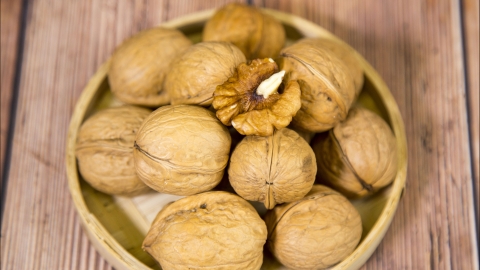
Walnuts are rich in unsaturated fatty acids, high-quality protein, vitamin E, and minerals such as calcium, phosphorus, and potassium, and have the effects of nourishing the brain and antioxidant protection. Tea contains tea polyphenols, caffeine, amino acids, and various trace elements, which can refresh the mind, relieve fatigue, and promote metabolism. When consumed together, the oiliness of the walnuts complements the aroma of the tea, creating a rich flavor without producing harmful substances. Tea polyphenols may also work synergistically with the antioxidant components in walnuts.
However, due to the high oil content in walnuts, excessive consumption may cause a greasy feeling. It is recommended to pair them with light tea and avoid consuming them with strong tea. Tannic acid in strong tea may bind with iron and calcium in walnuts, affecting the absorption of minerals. Individuals with weak gastrointestinal function should control their walnut intake to avoid gastrointestinal irritation caused by walnuts and tea together. Additionally, walnuts should not be consumed with strong tea before bedtime, as caffeine may affect sleep quality.







