


Can I eat lychee after dialysis?
Jun 16, 2025
Source: Cainiu Health

Dr. Yang Guang
Introduction
If dialysis patients have normal blood potassium levels and well-controlled blood glucose, they may consume a small amount of lychee. Lychee is rich in nutrients such as vitamin C and glucose. Eating 3–5 lychees per serving can provide energy to the body. Provided blood potassium levels remain stable, a small intake will not impose a significant burden on the body and can occasionally be used as a dietary调剂 (regulating or balancing agent) after dialysis.
Generally speaking, whether a patient can eat lychee after dialysis depends on their blood potassium levels and blood glucose control. If blood potassium is normal and blood glucose is stable, a small amount of lychee may be consumed. However, if blood potassium is elevated or blood glucose fluctuates greatly, it is not recommended. Detailed analysis is as follows:
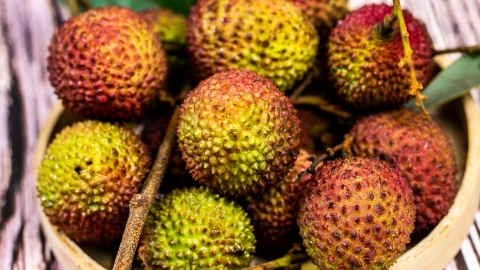
If dialysis patients have normal blood potassium levels and good blood glucose control, they may consume a small amount of lychee. Lychee is rich in nutrients such as vitamin C and glucose. Eating 3-5 lychees per time can provide energy to the body, and when blood potassium is stable, a small intake will not impose a significant burden on the body. It can be an occasional dietary supplement after dialysis.
If elevated blood potassium or unstable blood glucose occurs after dialysis, lychee should be avoided. Lychee contains a high amount of potassium; patients with elevated blood potassium who consume lychee may face an increased risk of hyperkalemia, which may lead to arrhythmias and other problems. Its high sugar content can also cause rapid increases in blood glucose, which is detrimental to blood glucose control. Additionally, dialysis patients often have weakened gastrointestinal function, and the high sugar content of lychee may irritate the gastrointestinal mucosa, causing discomfort such as bloating and acid reflux.
Dialysis patients should prioritize low-potassium, low-glycemic-index ingredients in their daily diet to maintain electrolyte balance and stable blood glucose levels.






