


What causes low-density shadows in the lungs?
Jun 19, 2025
Source: Cainiu Health

Dr. Ren Yi
Introduction
In general, low-density shadows in the lungs may be caused by conditions such as pneumonia, tuberculosis, pleural effusion, pulmonary fibrosis, or pulmonary cysts. Patients should promptly visit a reputable hospital to determine the cause and receive appropriate treatment. During treatment, patients should maintain a positive mindset, avoid excessive fatigue, and follow a light diet, minimizing the intake of spicy and strongly stimulating foods.
Generally, low-density shadows in the lungs may be caused by conditions such as pneumonia, pulmonary tuberculosis, pulmonary effusion, pulmonary fibrosis, or pulmonary cysts. Patients should seek timely medical evaluation at a reputable hospital to determine the underlying cause and receive appropriate treatment. Detailed explanations are as follows:
1. Pneumonia
Pneumonia is an inflammatory condition of the lungs caused by various pathogens, including bacteria, viruses, and mycoplasma. When pathogens invade the lungs, they trigger an immune response, leading to the accumulation of inflammatory exudates such as white blood cells, fibrin, and inflammatory cells within the alveoli. These exudates accumulate in the lung tissue, reducing its density and appearing as low-density shadows on imaging studies. It is recommended to follow medical advice and use medications such as cephalexin dry suspension, clindamycin hydrochloride tablets, or azithromycin capsules to alleviate symptoms.
2. Pulmonary Tuberculosis
Pulmonary tuberculosis is a chronic infectious disease caused by Mycobacterium tuberculosis infecting the lungs. The bacteria multiply in the lungs, damaging lung tissue and forming caseous necrotic lesions. Caseous necrotic tissue is relatively loose in texture and has a lower density than normal lung tissue, appearing as low-density shadows on imaging. Additionally, inflammatory reactions may occur around the tuberculosis lesions, further affecting the normal structure of the lung tissue. Patients can take medications such as isoniazid tablets, rifampin tablets, or pyrazinamide tablets under a doctor's guidance to relieve symptoms.
3. Pulmonary Effusion
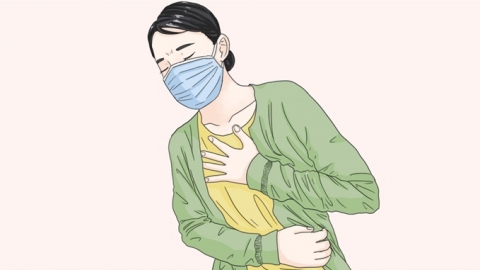
Pulmonary effusion, also known as pleural effusion, refers to an excessive accumulation of fluid in the pleural cavity due to either rapid fluid production or delayed absorption. When there is a large amount of fluid accumulation in the chest cavity, it can compress the lung tissue, causing it to collapse. On imaging studies, the compressed and collapsed lung tissue appears as low-density shadows. In such cases, patients can visit a reputable hospital to undergo thoracentesis to drain the fluid and relieve the pressure symptoms.
4. Pulmonary Fibrosis
Pulmonary fibrosis is a broad category of lung diseases characterized by fibroblast proliferation, excessive accumulation of extracellular matrix, inflammation, tissue damage, and structural destruction. During the process of pulmonary fibrosis, normal lung tissue structure is disrupted, with thickening and collapse of alveolar walls and fibrous tissue proliferation in the lung interstitium. These fibrous tissues have lower density compared to normal lung tissue and appear as low-density shadows or grid-like, honeycombing changes on imaging studies. Patients may follow medical recommendations to use medications such as azathioprine tablets, acetylcysteine effervescent tablets, or prednisone acetate tablets for treatment.
5. Pulmonary Cyst
A pulmonary cyst refers to a cystic lesion in the lungs containing gas, fluid, or a combination of both. The cyst wall consists of fibrous tissue and epithelial cells, and the interior is filled with gas or fluid, which has significantly lower density than surrounding normal lung tissue, thus appearing as low-density shadows on imaging studies. Pulmonary cysts can be congenital or acquired, with factors such as infections or trauma potentially leading to their formation. Patients may choose to undergo cystectomy at a reputable hospital for treatment.
During treatment, patients should maintain a positive mindset, avoid excessive fatigue, and follow a light diet, minimizing the intake of spicy and highly irritating foods.


