


Can I eat peaches during early pregnancy?
Jun 19, 2025
Source: Cainiu Health

Dr. Zhang Lu
Introduction
In general, peaches can be consumed during early pregnancy, as long as intake is moderate. However, when eating peaches during early pregnancy, it is important to choose fresh peaches with moderate ripeness. Unripe peaches should be avoided due to their high acid content, which can easily irritate the gastrointestinal tract and cause discomfort. Before consumption, peaches should be thoroughly washed, for example by soaking them in salt water, to remove surface fuzz and pesticide residues.
In general, during early pregnancy peaches can be consumed, as long as intake is moderate. Detailed explanations are as follows:
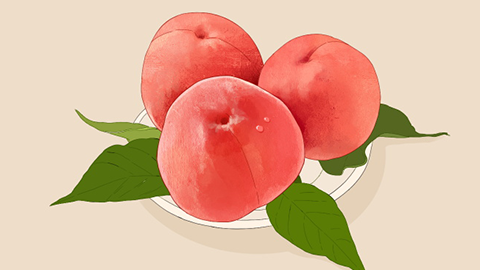
Peaches are rich in various vitamins—for example, vitamin C can enhance the pregnant woman's immunity and promote collagen synthesis, while vitamin E plays a role in maintaining normal embryonic development. The abundant dietary fiber helps promote intestinal motility and relieve constipation commonly experienced during early pregnancy. Additionally, various minerals, such as potassium, help regulate electrolyte balance in the body and reduce edema in pregnant women. Moreover, the sweet and refreshing taste of peaches can improve poor appetite caused by morning sickness during early pregnancy and provide necessary energy for the body.
However, during early pregnancy, peaches should be fresh and moderately ripe. Unripe peaches should be avoided because their high acid content may easily irritate the gastrointestinal tract and cause discomfort. Before consumption, peaches must be thoroughly washed, and methods such as soaking in salt water can be used to remove surface fuzz and pesticide residues, preventing irritation of the throat by fuzz or harm from pesticide residues to maternal and fetal health. At the same time, intake should be controlled—eating too many peaches at once should be avoided to prevent excessive sugar intake or increased gastrointestinal burden.


