Can patients with fatty liver disease donate blood?
Jun 20, 2025
Source: Cainiu Health

Dr. Gao Jun
Introduction
The eligibility of individuals with fatty liver disease to donate blood depends on their individual health status. If liver function is normal, lipid levels meet the required standards, and there are no other contraindications for blood donation, they may participate in blood donation. In such cases, the body can recover quickly, and the donated blood meets safety criteria. However, if liver function is abnormal, lipid levels exceed acceptable limits, or there are other health conditions unsuitable for blood donation, blood donation should not be performed. Before donating blood, individuals with fatty liver disease should undergo a medical examination and truthfully disclose their medical history.
Generally, whether individuals with fatty liver disease can donate blood needs to be determined based on specific medical indicators. If their blood lipid levels meet the required standards, they can donate blood; however, if their lipid levels are excessively high, they should not donate. Detailed explanations are as follows:
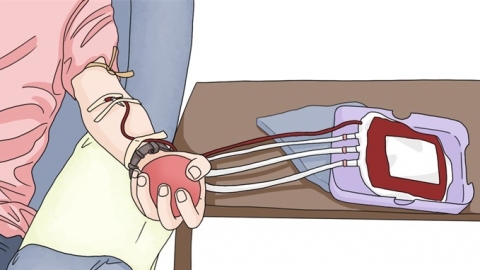
Individuals with fatty liver disease who have normal liver function, blood lipid levels within the acceptable range for blood donation, and who do not have contraindications such as anemia or infections, are eligible to donate blood. These individuals generally have normal liver metabolic function, allowing their bodies to quickly replenish blood volume and generate fresh blood after donation. Blood donation will not negatively affect their health, and the donated blood meets safety standards for clinical use.
If individuals with fatty liver disease exhibit abnormal liver function indicators, such as elevated transaminase levels, or severely elevated blood lipids beyond the acceptable limits for blood donation, or if they have other conditions that make them unsuitable donors—such as infectious diseases or cardiovascular diseases—they should not donate blood. Abnormal liver function indicates impaired metabolic and detoxification capacity of the liver; donating blood may further burden the liver. Blood with excessively high lipid levels may affect the health of the recipient. Donating blood while having other health risks may also endanger the donor's own safety.
Prior to donating blood, individuals with fatty liver disease must undergo a comprehensive medical examination and truthfully disclose their medical history to ensure both their own health and the safety of the blood supply for clinical use.